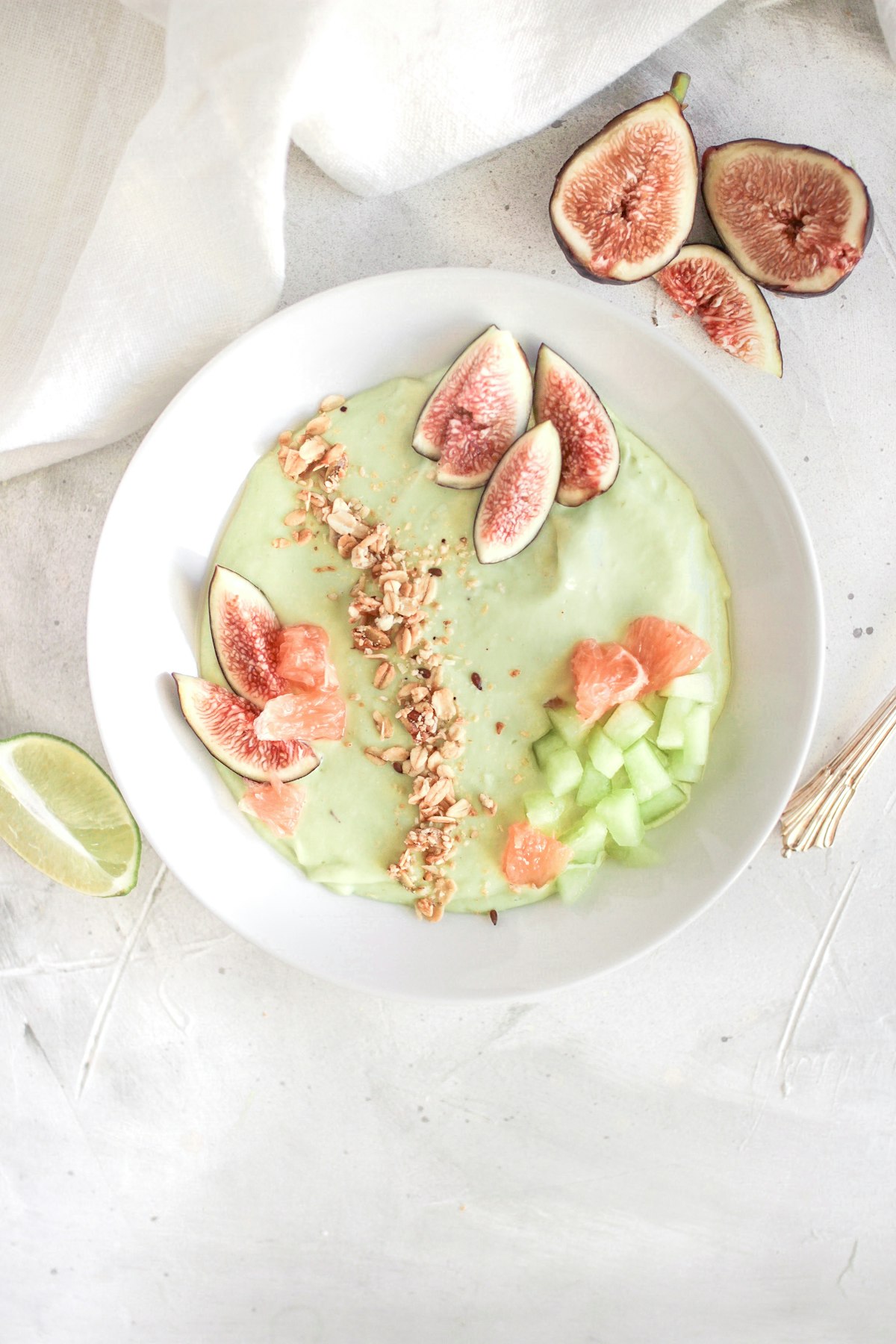
Green Protein Smoothie Bowl
A thick, spoonable blend of spinach, banana, Greek yogurt and protein, built to keep you full until lunch.
Collection · 23 recipes
Meals delivering 20 g of protein or more per serving, with the full breakdown shown on every recipe rather than implied.
Most recipes described as high protein never say how much protein they contain. Every recipe in this collection publishes the figure per serving, alongside calories, carbohydrate, fat and fibre, so you can judge it rather than take the label on trust.
The practical range here runs from roughly 20 g to 39 g of protein per portion. For context, most guidance puts a useful per-meal target around 25 to 30 g for an adult, spread across the day rather than concentrated in the evening, which is where most people fall short.
Worth noting: protein satiety comes from the total, not the source. The chickpea and yogurt dishes in this list hold their own against the chicken ones. Combining a legume with a grain or dairy in the same meal covers the full amino acid profile without any planning beyond putting them in the same bowl.
A thick, spoonable blend of spinach, banana, Greek yogurt and protein, built to keep you full until lunch.
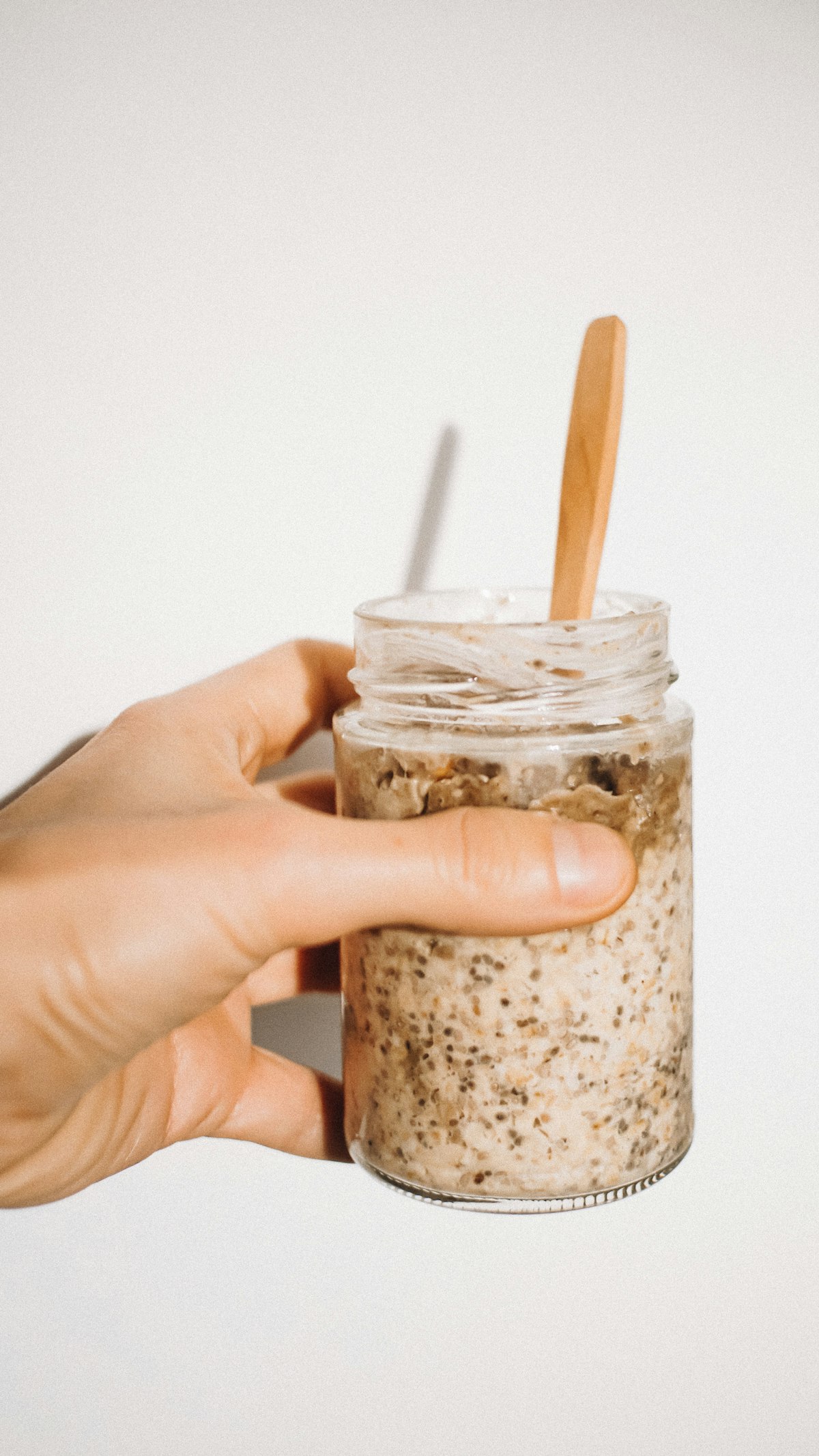
A no-cook breakfast that thickens in the fridge overnight, with a base ratio you can build on all week.
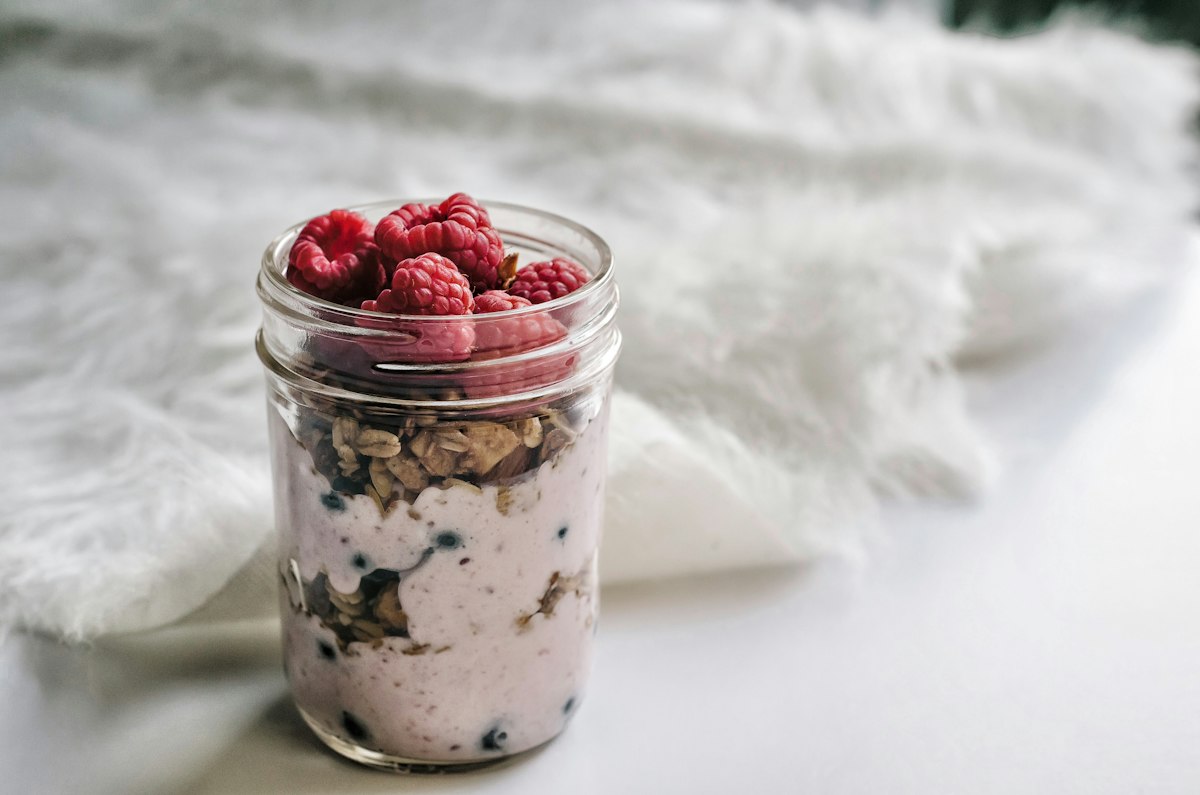
Layers of thick honeyed yogurt, macerated fruit and crunchy granola, assembled in five minutes.
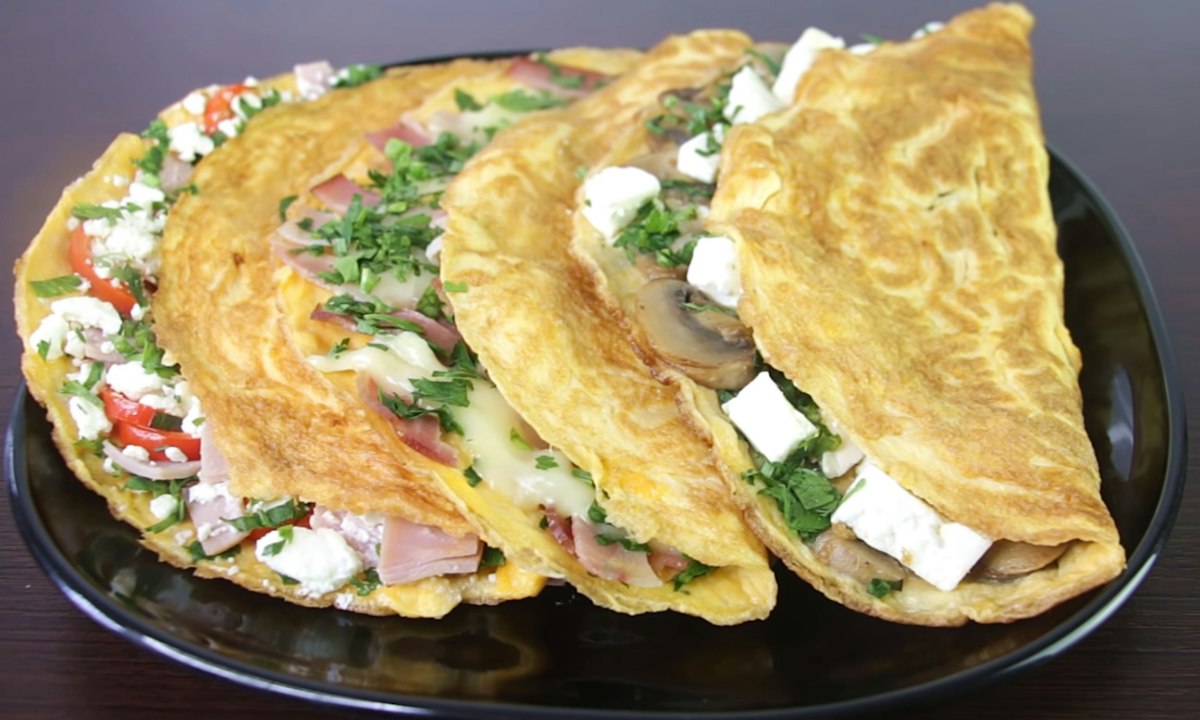
A soft-set folded omelette with wilted spinach and salty feta, done in six minutes.
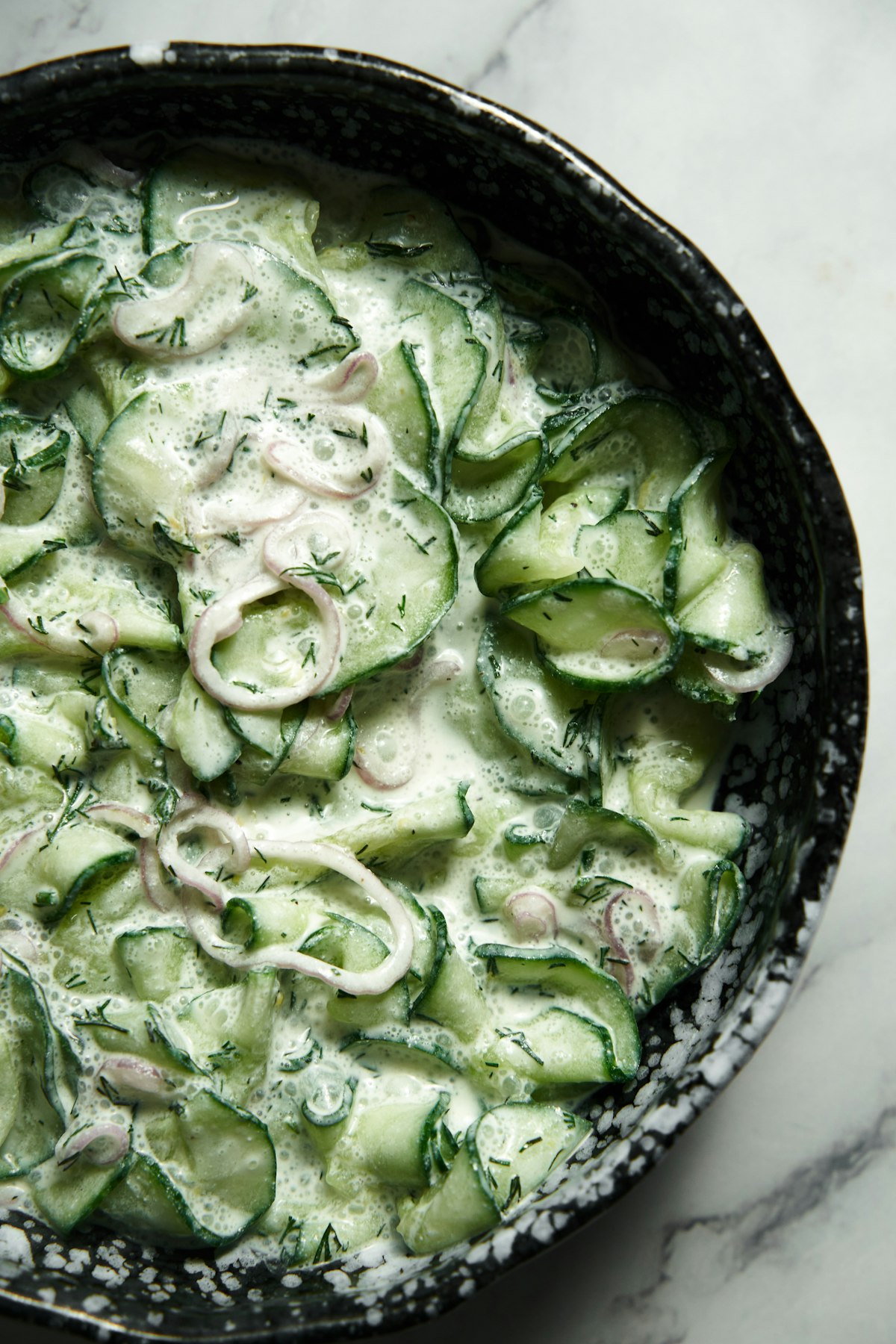
Cool garlicky yogurt with cucumber, heaps of herbs and toasted seeds, ready in ten minutes.
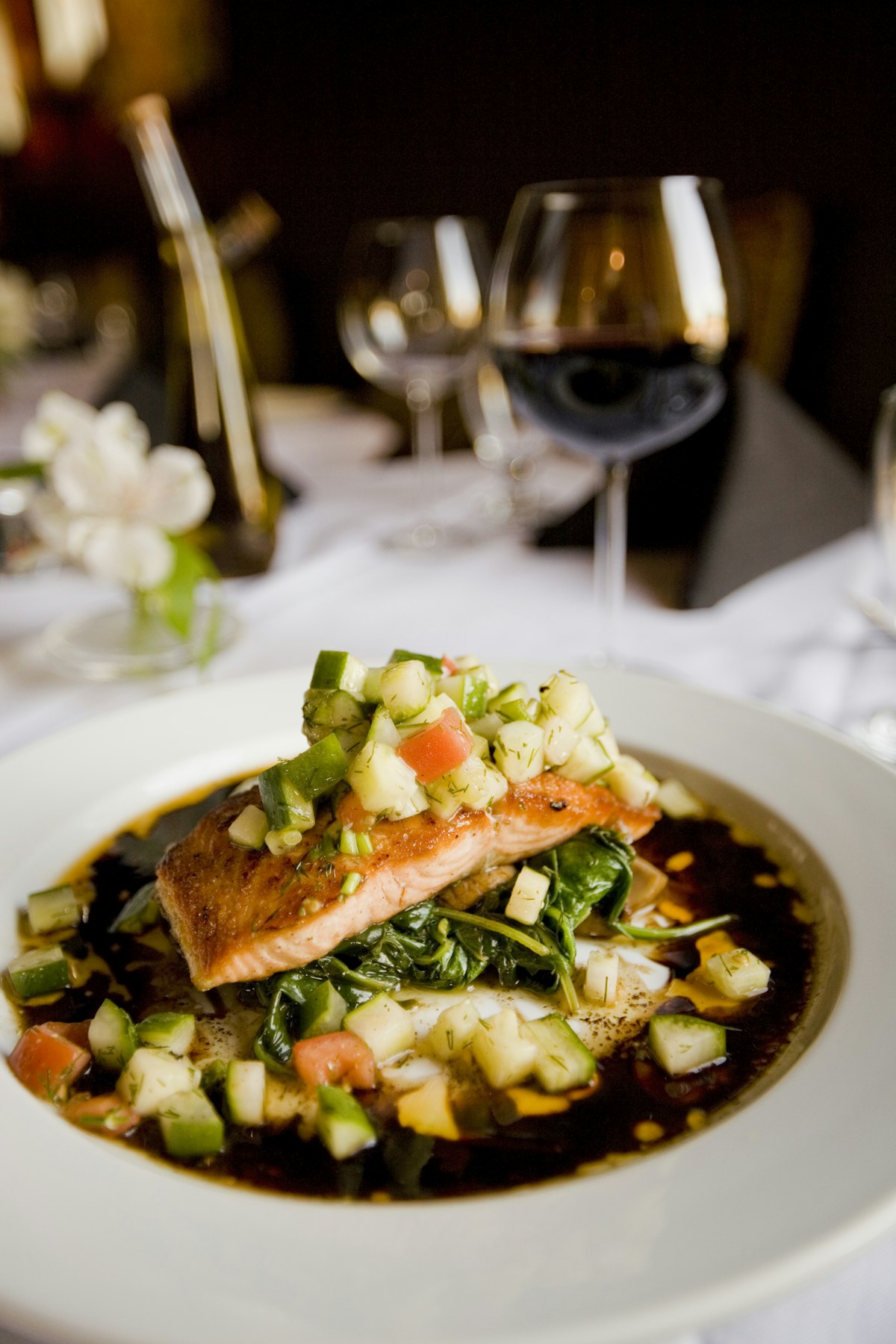
A quick salmon dinner with bright lemon and a silky butter pan sauce, ready in under 20 minutes.
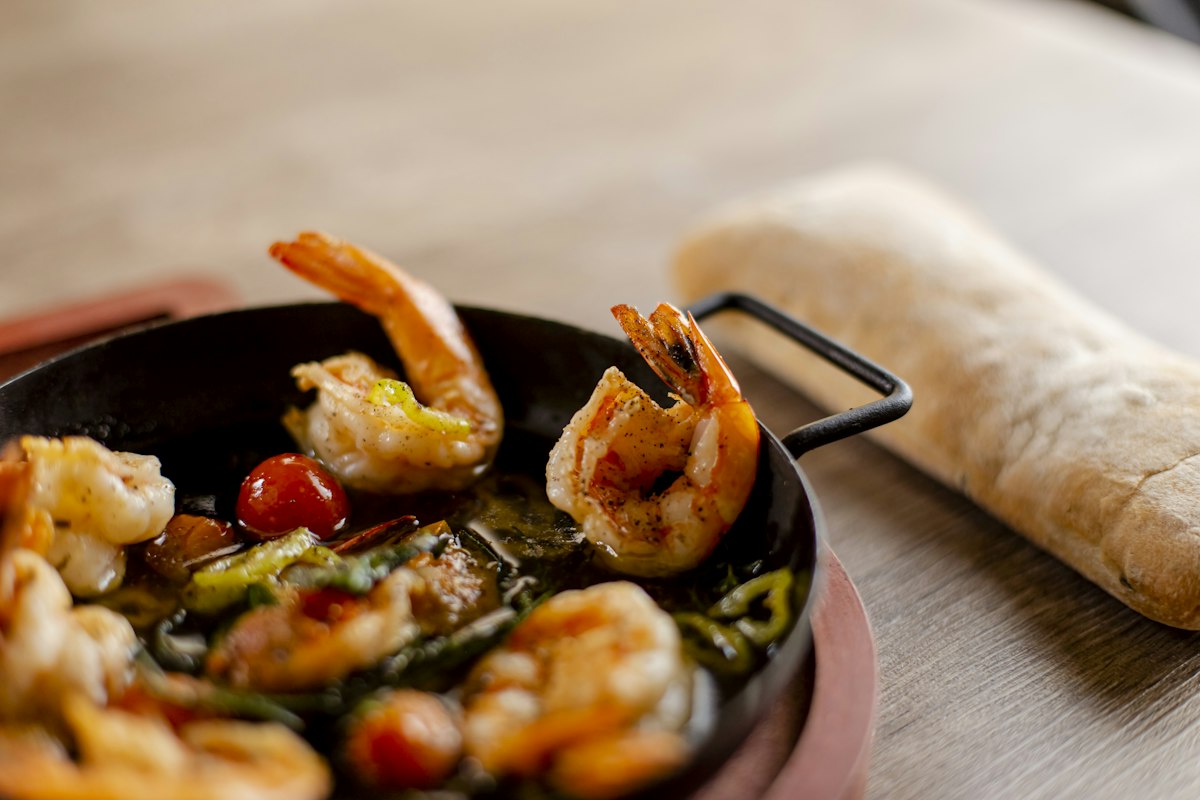
Juicy shrimp in a bright lemon and white wine pan sauce that comes together in under ten minutes.
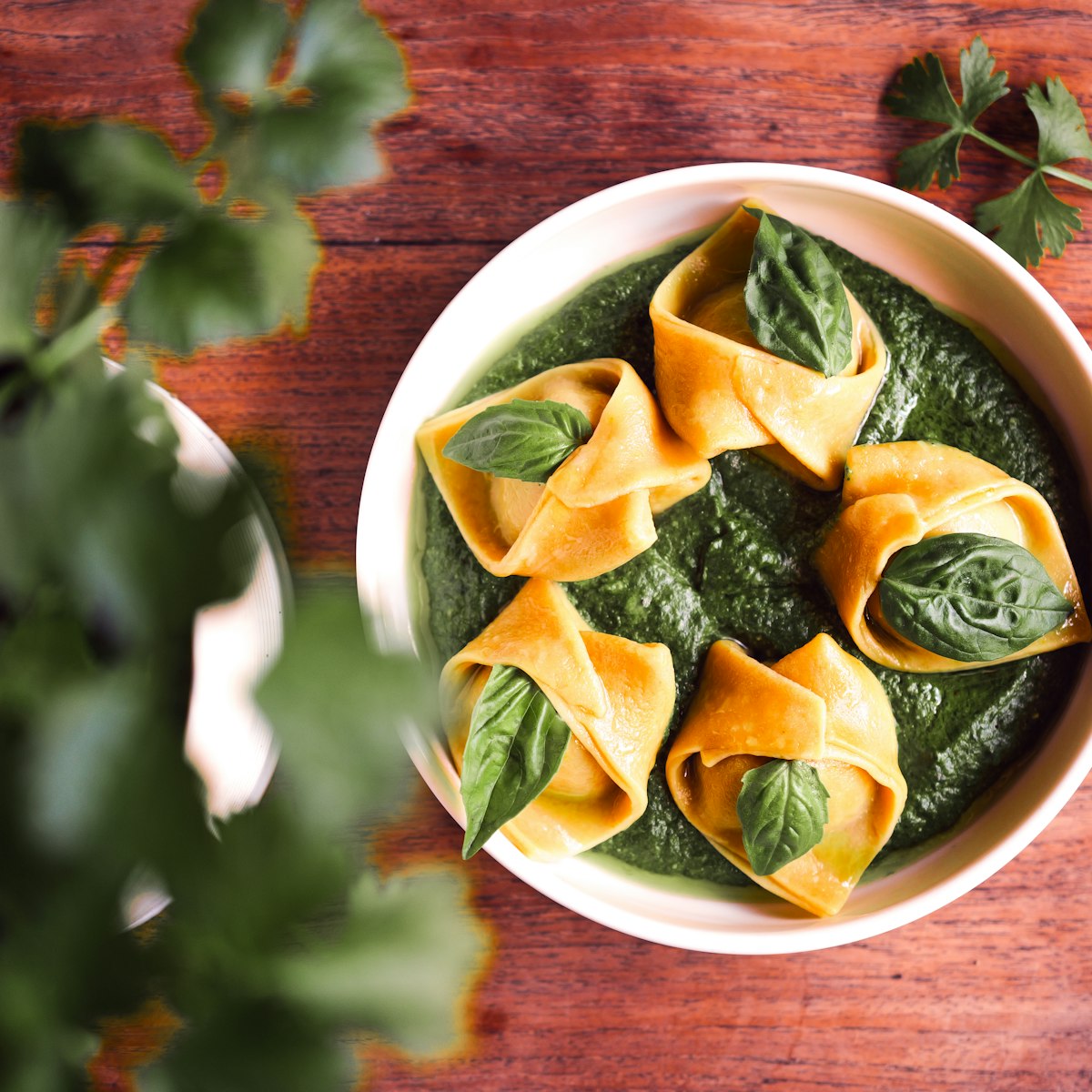
Cheesy tortellini, tender chicken and basil pesto tossed into a cozy weeknight bowl in 20 minutes.
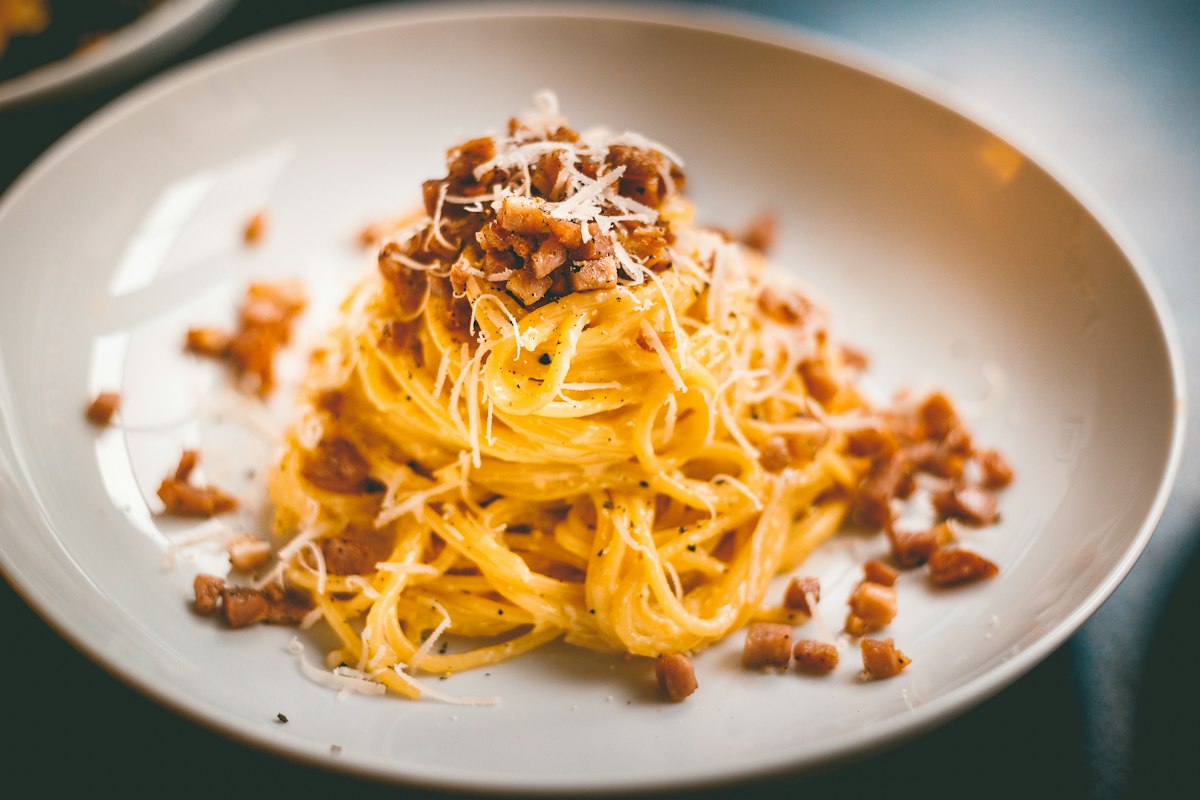
Guanciale, egg yolk and pecorino emulsified with pasta water into a glossy sauce, with no cream anywhere near it.
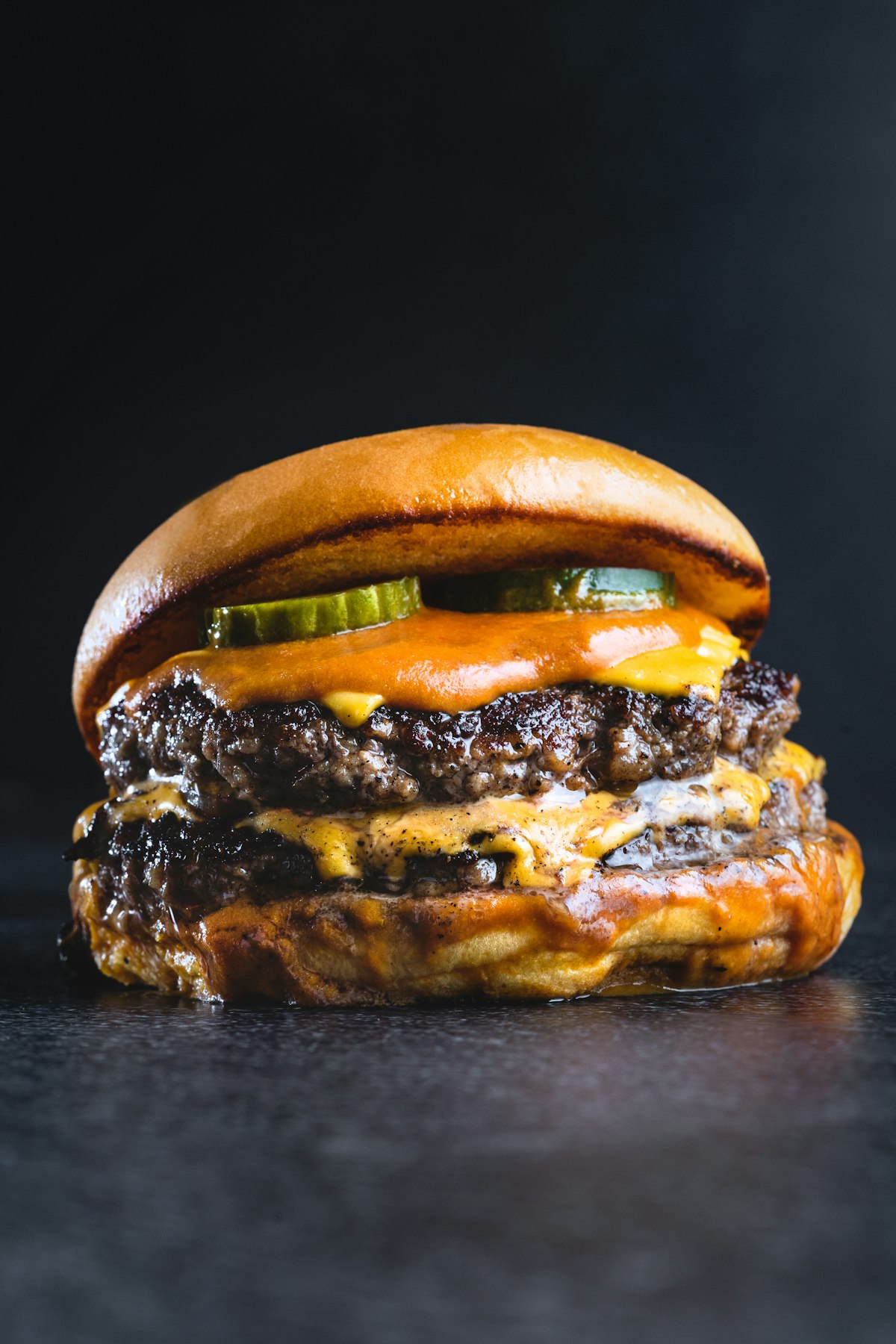
Thin beef patties smashed onto a screaming hot pan for a lacy browned crust, stacked with melted cheese and a two-minute burger sauce.
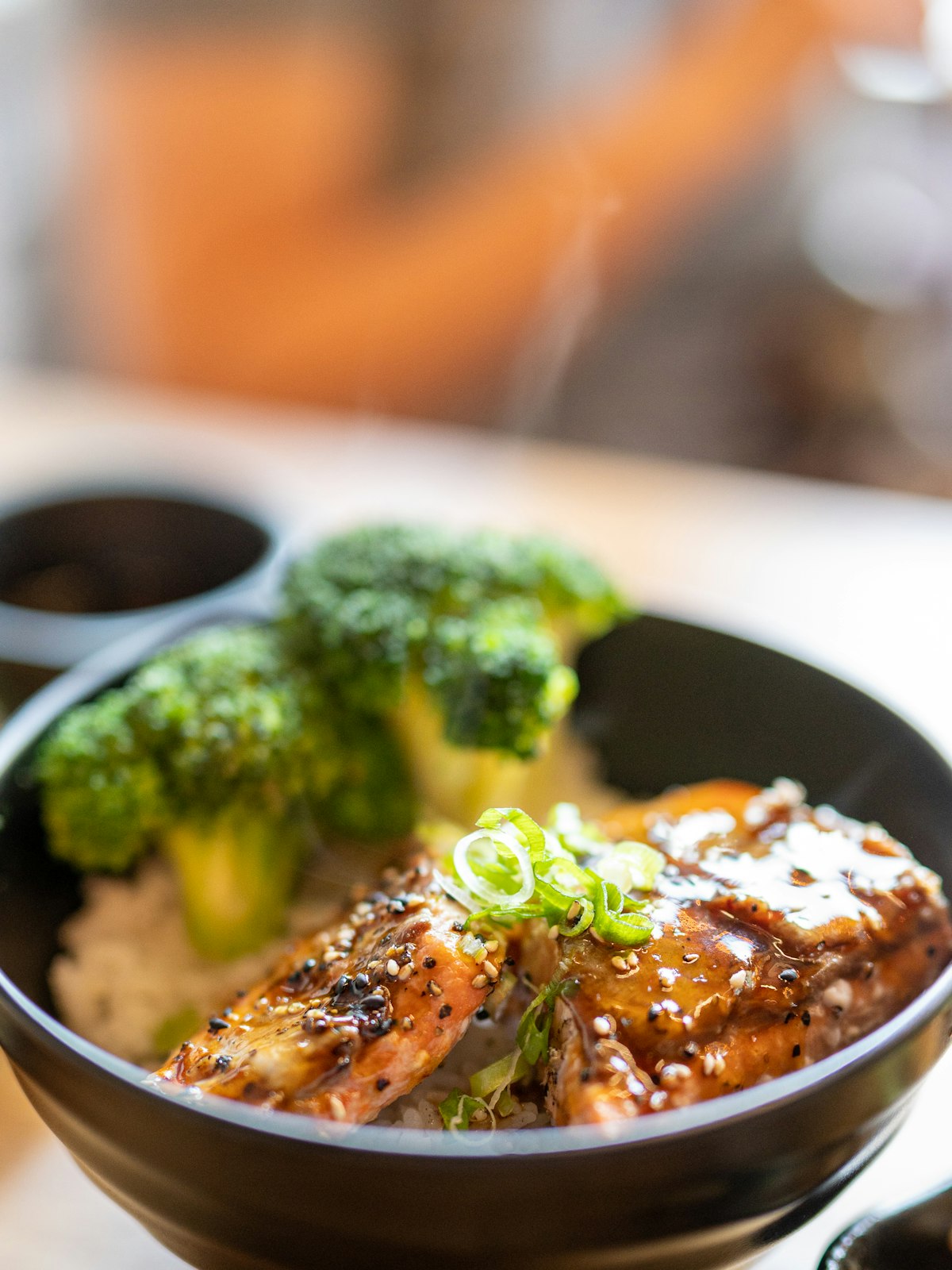
Tender chicken and crisp vegetables glazed in a sweet-savoury honey soy sauce that reduces to a lacquer.
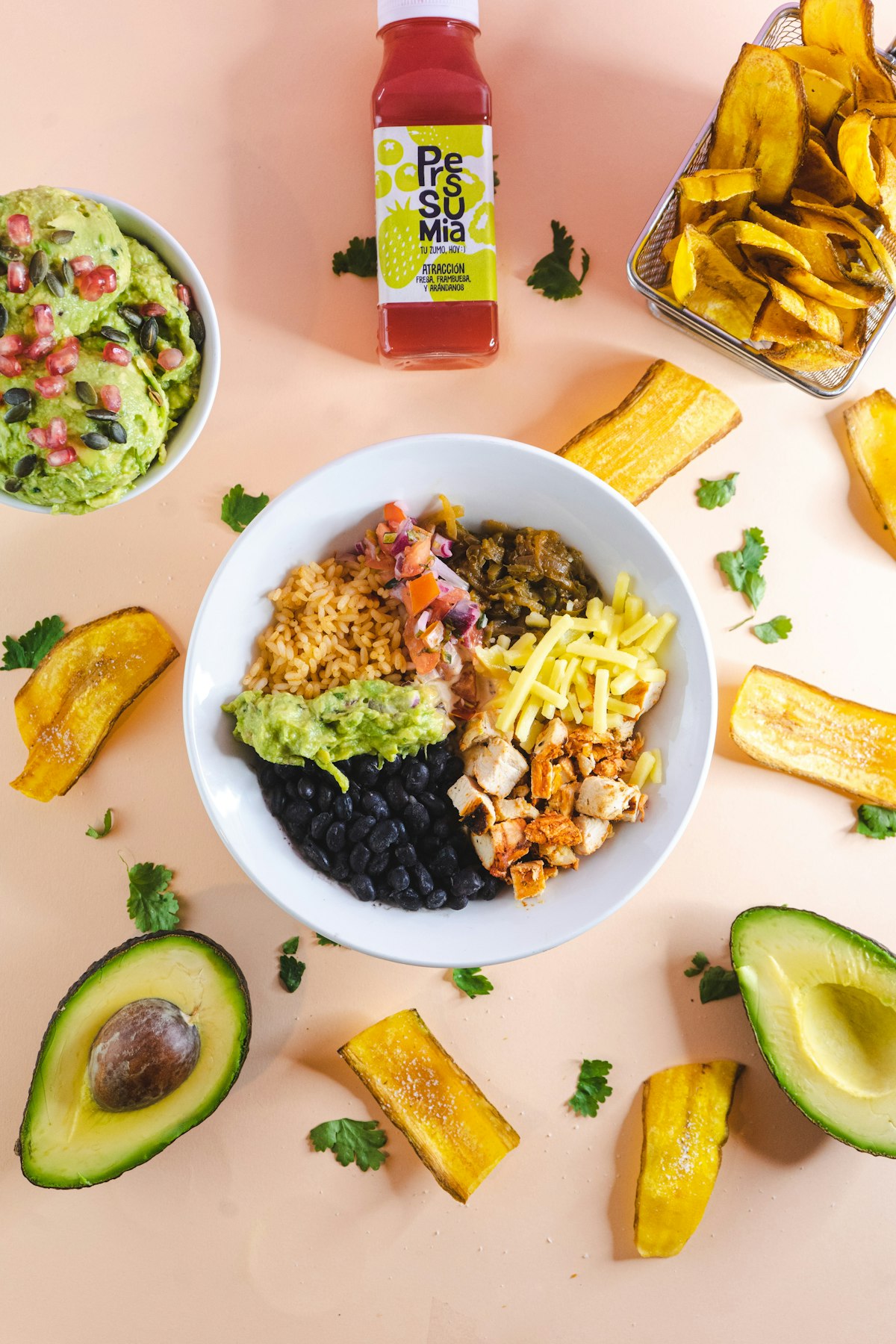
Spiced chicken, black beans and crisped rice layered into a loaded taco bowl with avocado and lime.
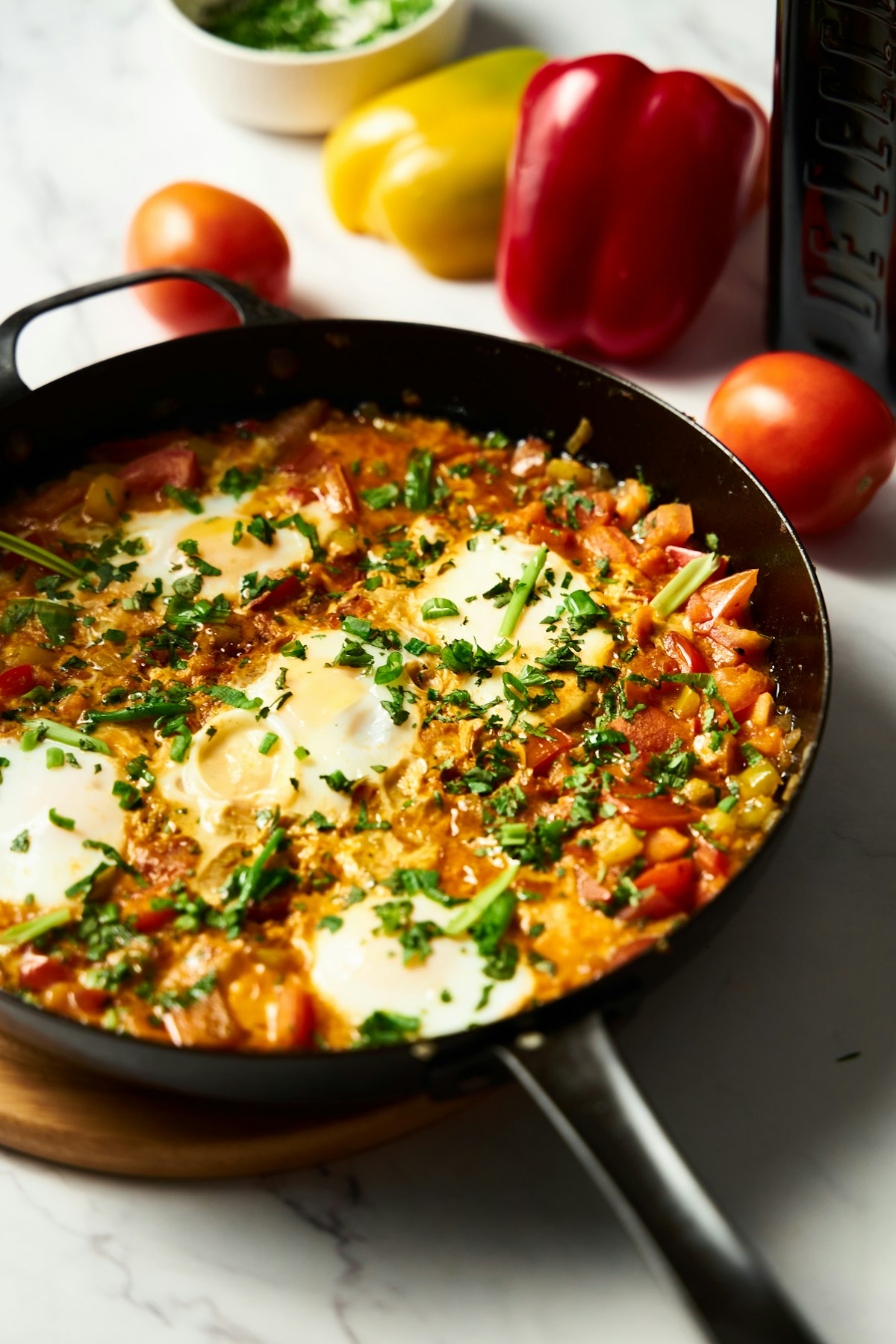
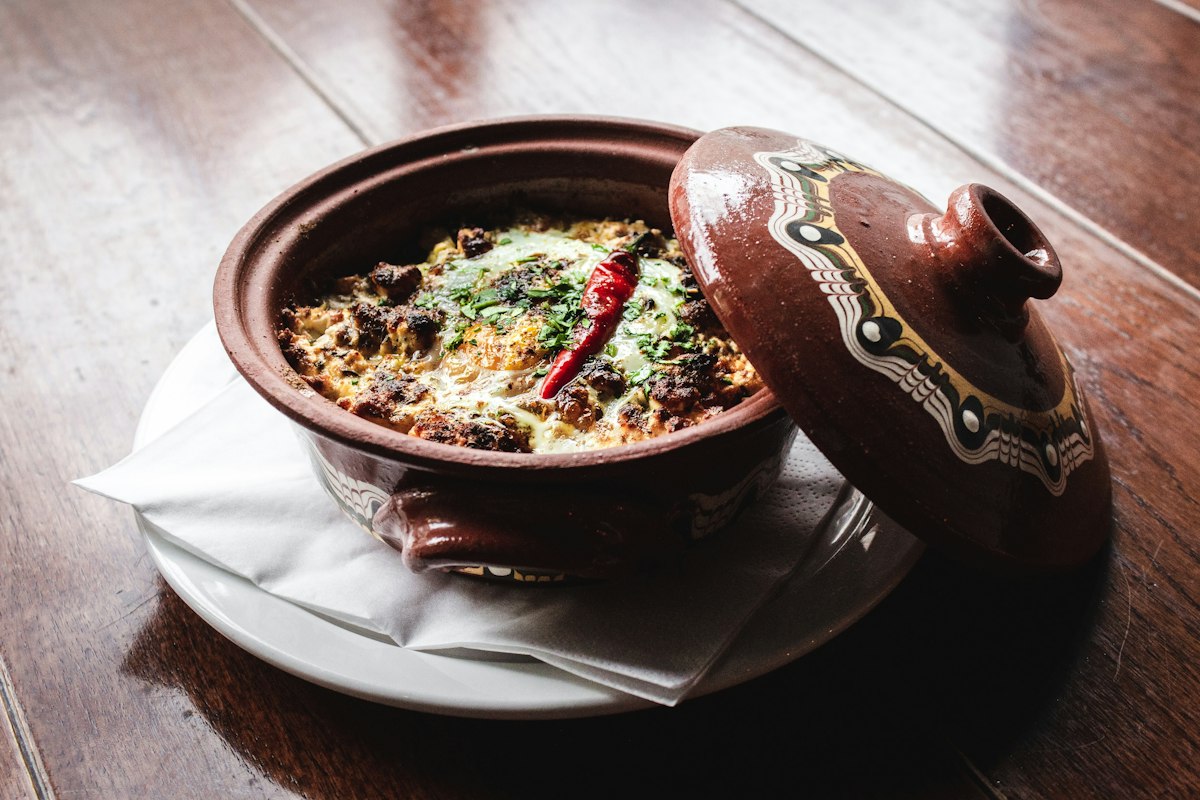
Eggs poached in a spiced tomato and pepper sauce, cooked and served in one pan.
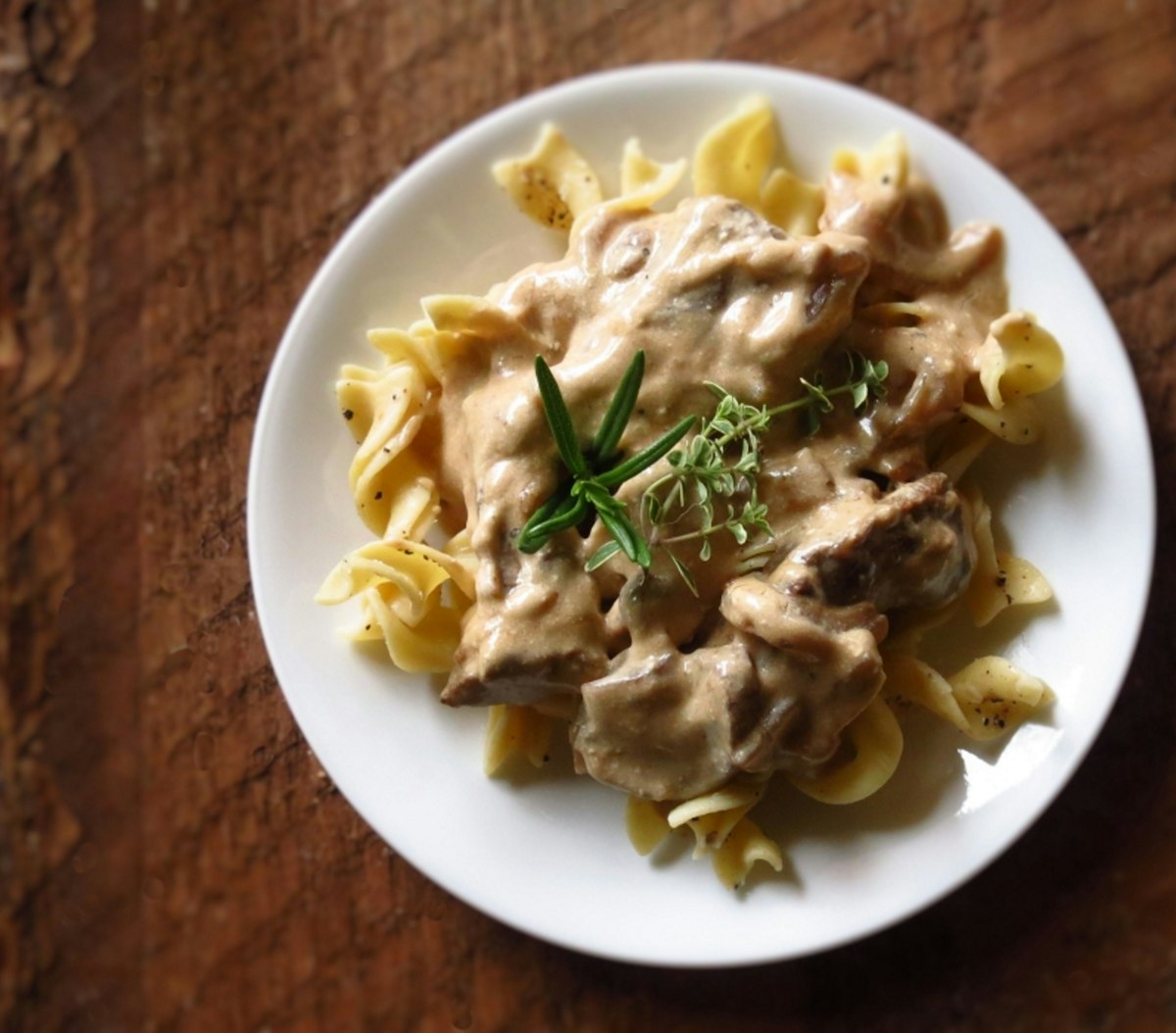
Fast-seared steak strips and browned mushrooms in a mustard and sour cream sauce, over buttered egg noodles.
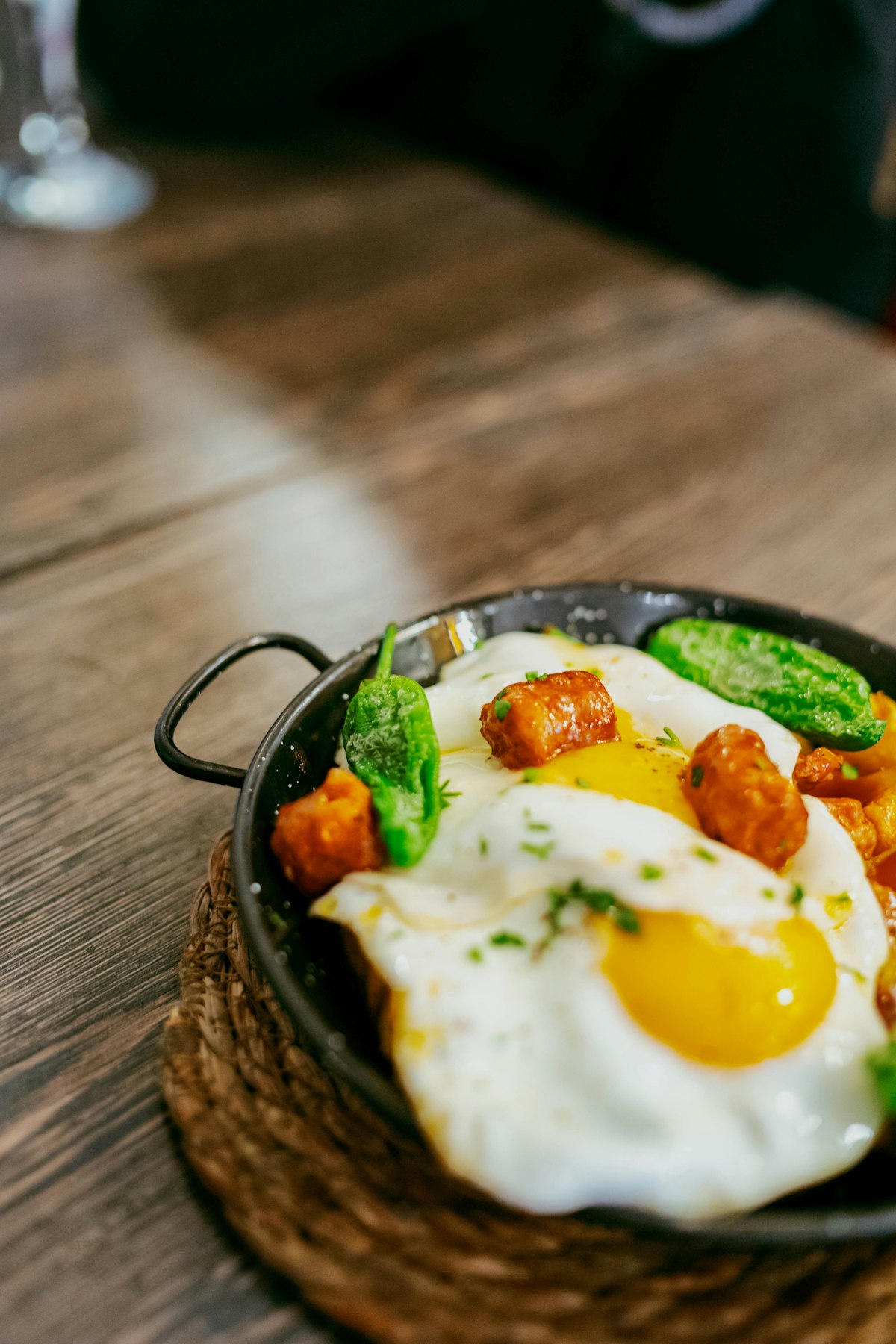
Crisp-edged sweet potato with peppers, chorizo and eggs cooked into the top, all in one pan.
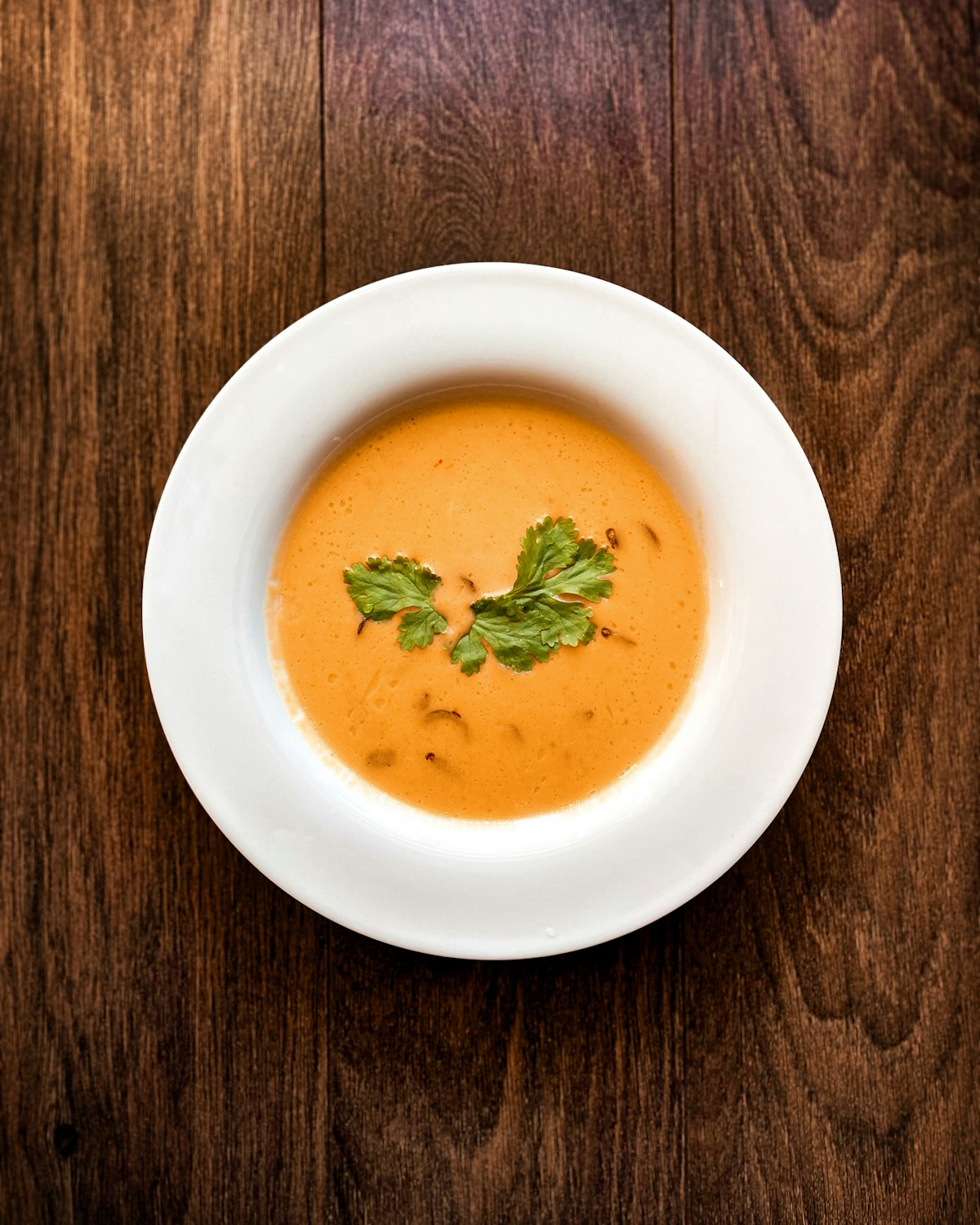
A deeply savoury lentil soup with soffritto, herbs and lemon, thick enough to stand a spoon in.
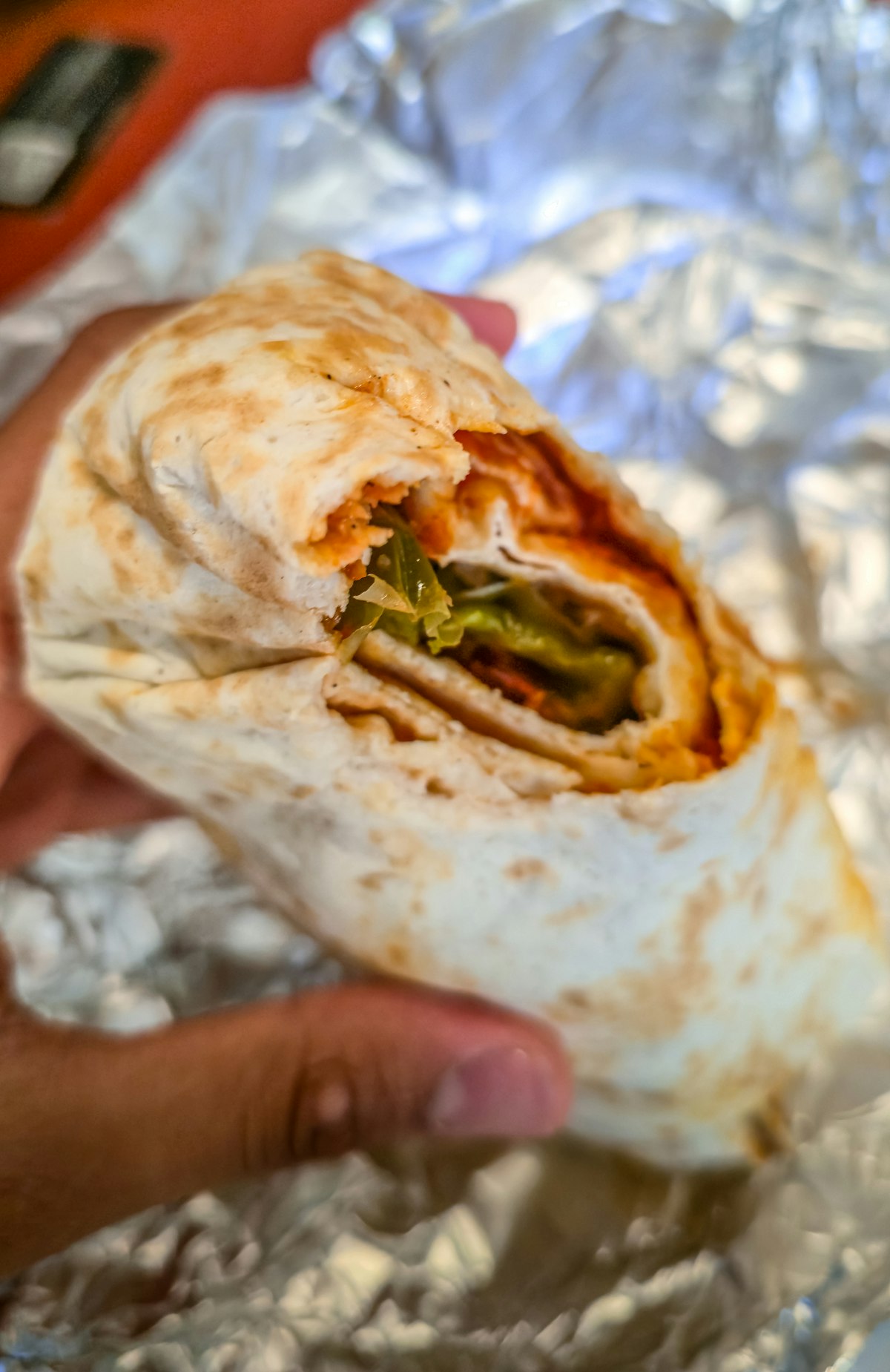
A batch of twelve wrapped burritos for the freezer, reheatable in three minutes on a weekday.
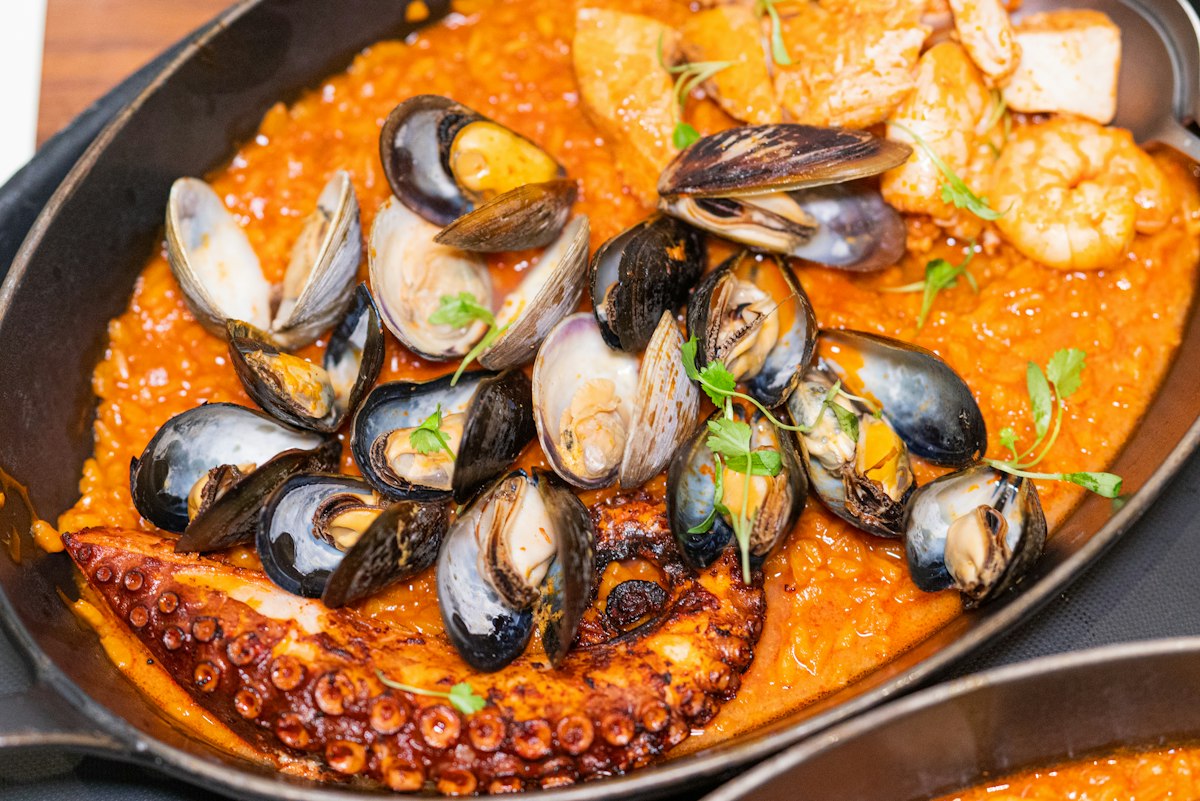
Saffron rice cooked flat and undisturbed with prawns, mussels and squid, finished with a crisp socarrat on the base.
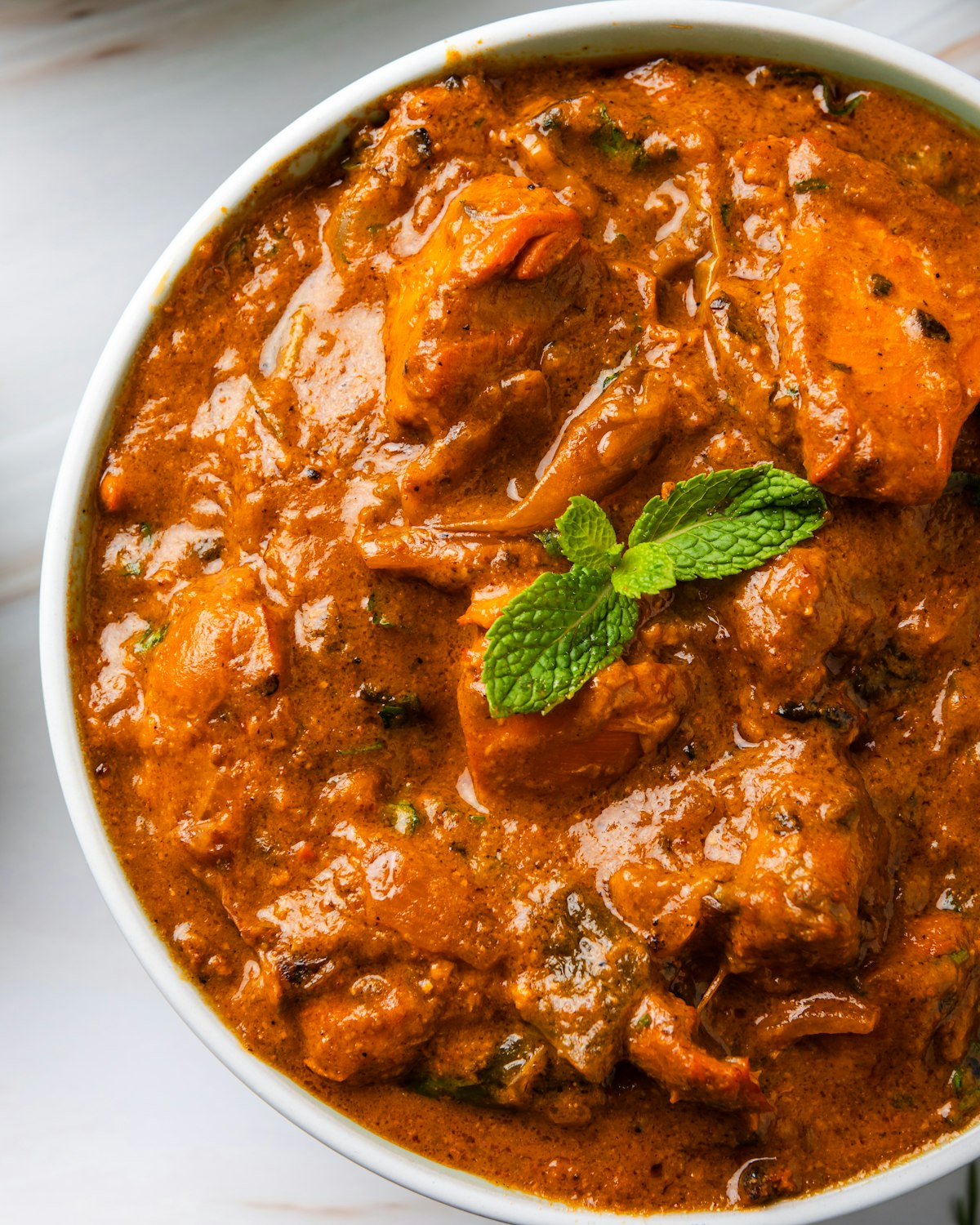
Yogurt-marinated chicken charred hard, then folded into a spiced tomato and cream sauce built on bloomed whole spices.
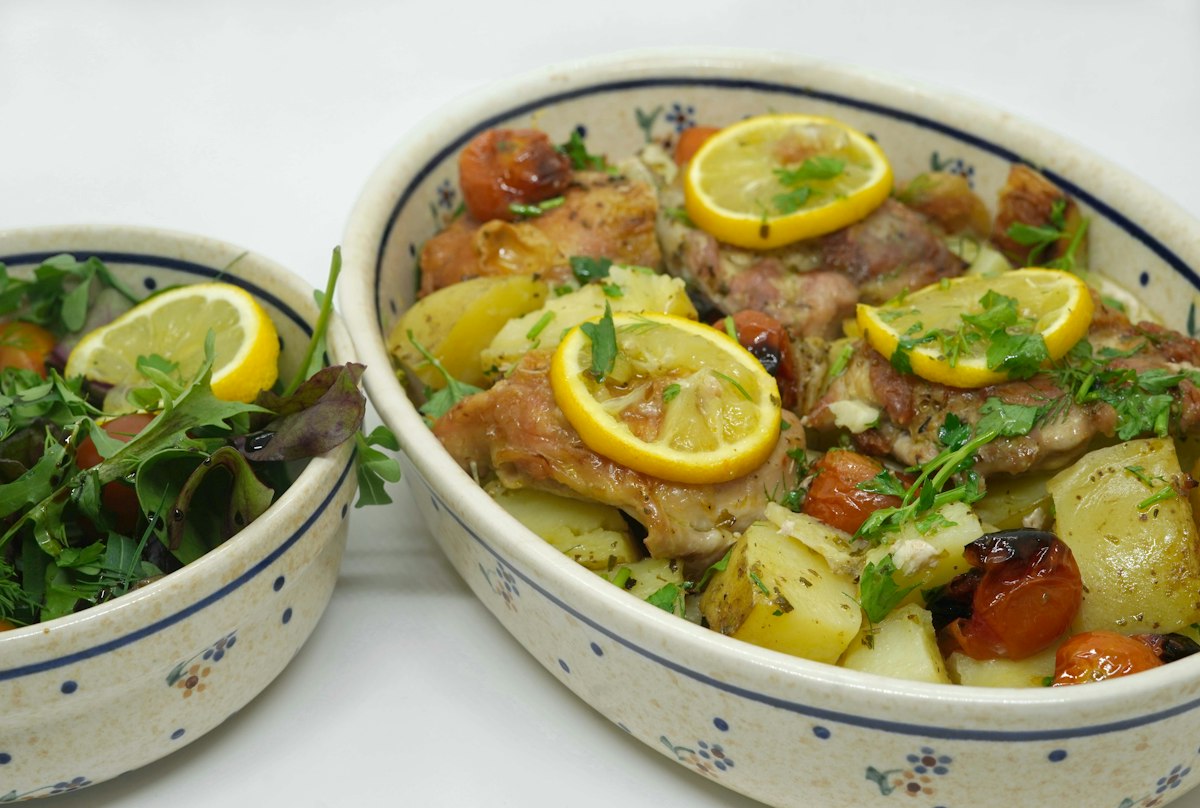
Chicken thighs slow-braised with saffron, ginger and green olives, finished with preserved lemon for a bright, savoury Moroccan classic.
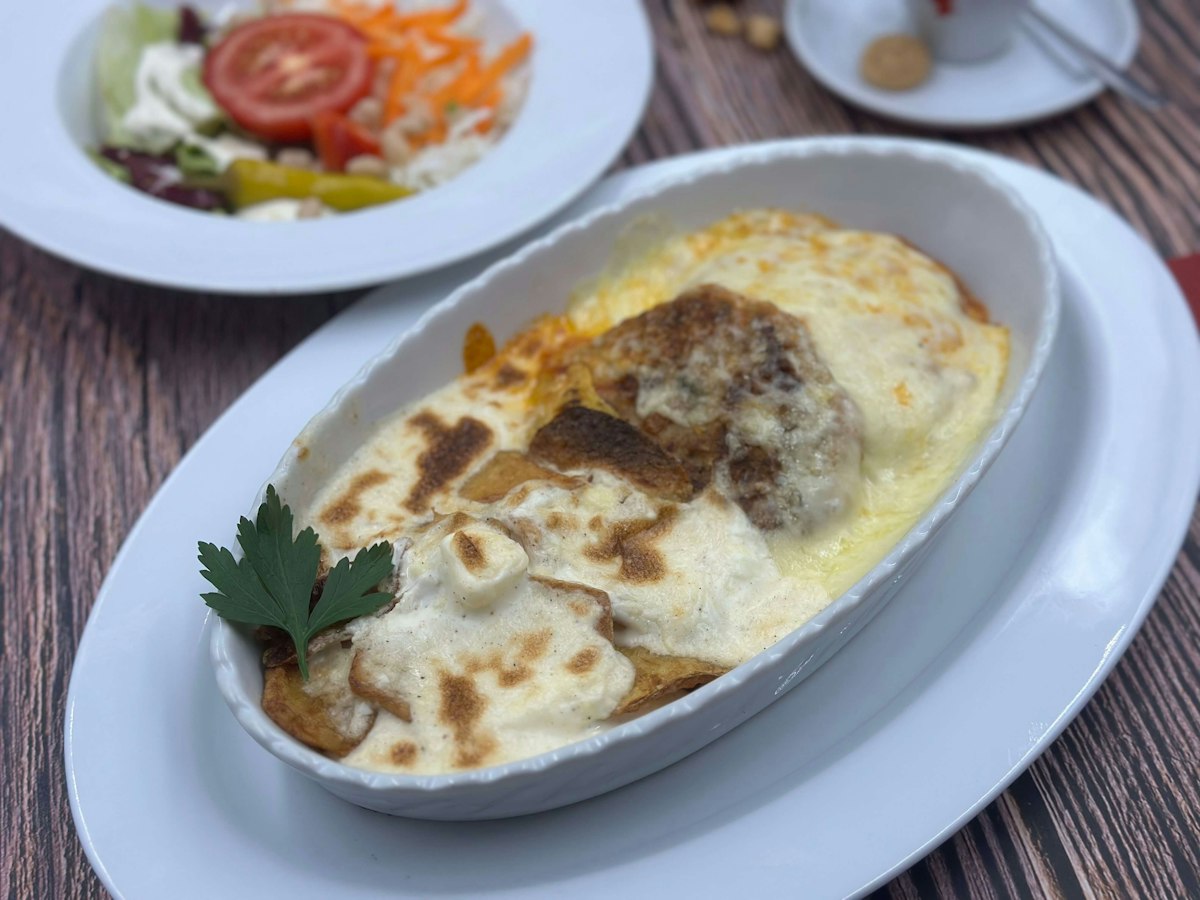
Layers of roasted aubergine and cinnamon-scented lamb under a thick baked bechamel, rested until it slices clean.
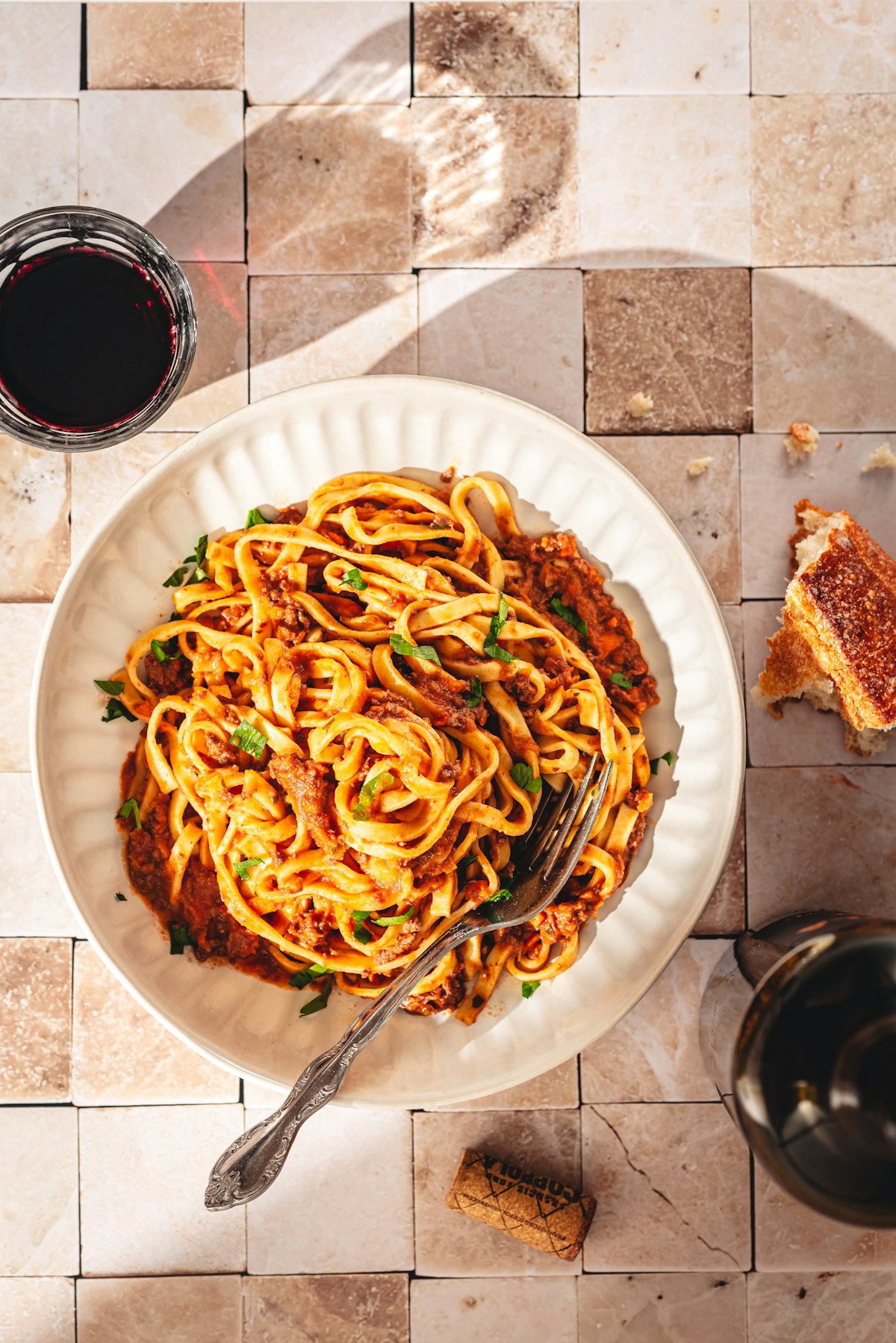
A patient meat ragu built on a proper soffritto, milk and a two-hour simmer, for a sauce that coats pasta instead of sitting on it.
Lamb shoulder braised until it falls apart with ras el hanout, dried apricots and honey, finished with toasted almonds and sesame.
Commonly cited guidance lands around 25 to 30 g per meal for an adult, distributed across the day. Total daily intake matters more than any single meal, and needs vary considerably with body weight, age and activity, so treat this as a rough anchor rather than a rule.
Yes. Greek yogurt, lentils, chickpeas, tofu, edamame and cheese are all substantial sources. The herbed yogurt bowl in this collection reaches 24 g per serving with no meat at all.
No. It is a convenience, not a requirement, and whole foods bring fibre and micronutrients alongside the protein. The smoothie bowl here uses it because blending is the one context where it genuinely helps, and it notes how to hit a similar figure without it.
Keep browsing