Cooking guide · 7 min read
How to Cut Your Food Waste in Half Without Trying Very Hard
Practical storage, planning and cooking habits that keep food out of the bin and money in your pocket.
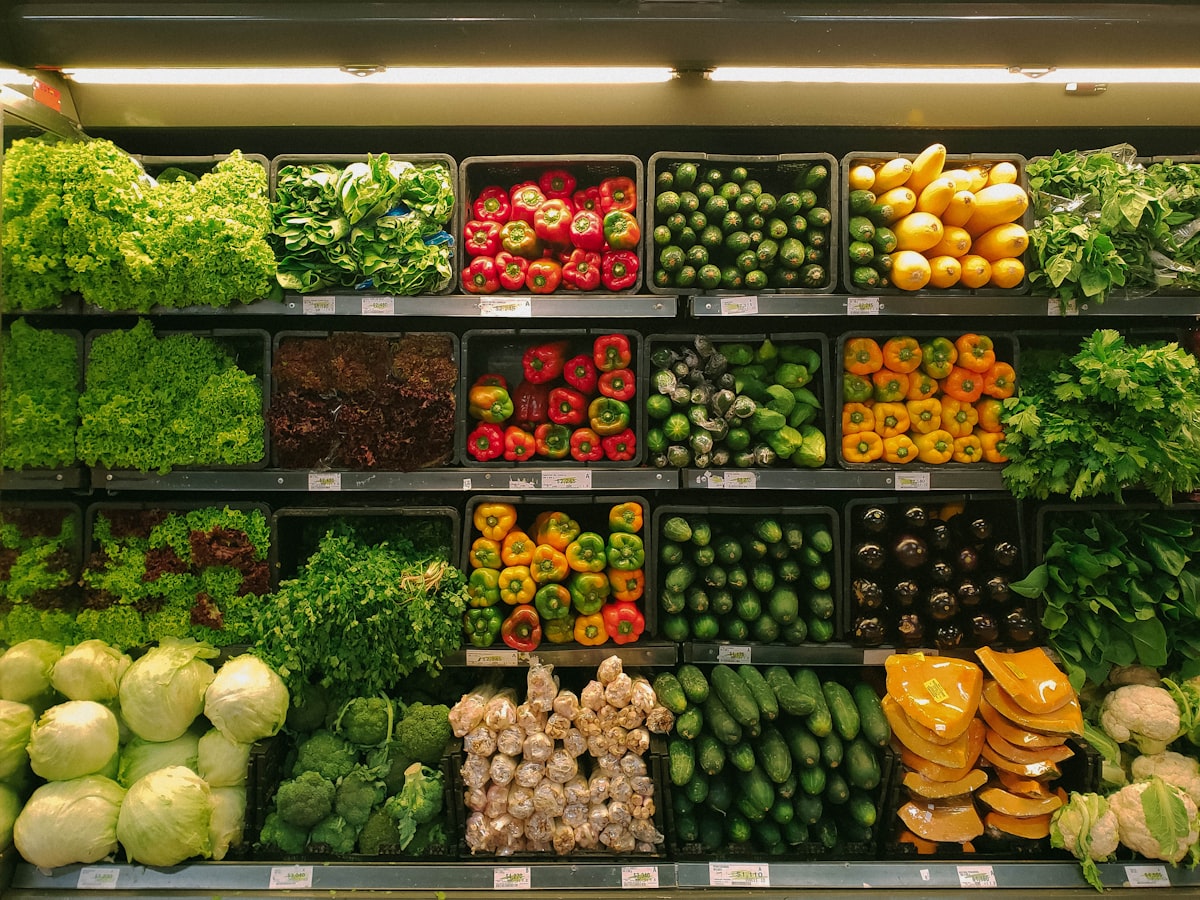
Food waste is mostly a storage and sequencing problem rather than a moral one. People do not intend to throw away half a bag of spinach; they simply put it somewhere it wilts in three days and then discover it on day six.
Store herbs like flowers, not vegetables
Soft herbs such as parsley, coriander and mint last two or three weeks if you trim the stems and stand them in a glass of water in the fridge with a loose bag over the top. In their original plastic packet they last four days. This one change alone eliminates a recurring waste item in most kitchens.
Learn which produce hates the fridge
- Tomatoes lose flavour and turn mealy below about 12C. Keep them on the counter.
- Potatoes, onions and garlic want a cool dark cupboard with airflow, not the fridge and not next to each other.
- Bananas release ethylene gas that ripens everything nearby, so keep them alone.
- Bread goes stale faster in the fridge than on the counter. Freeze it sliced instead.
- Basil blackens in the cold and should be treated like a cut flower on the counter.
Shop for three days, not seven
The single largest driver of waste is buying a full week of fresh produce on one trip. Fresh vegetables bought on Saturday for a Thursday meal are already compromised. Two smaller shops, or one shop plus a top-up, wastes dramatically less and costs the same.
The three recipes that absorb anything
Keep these in your head as destinations for whatever is left:
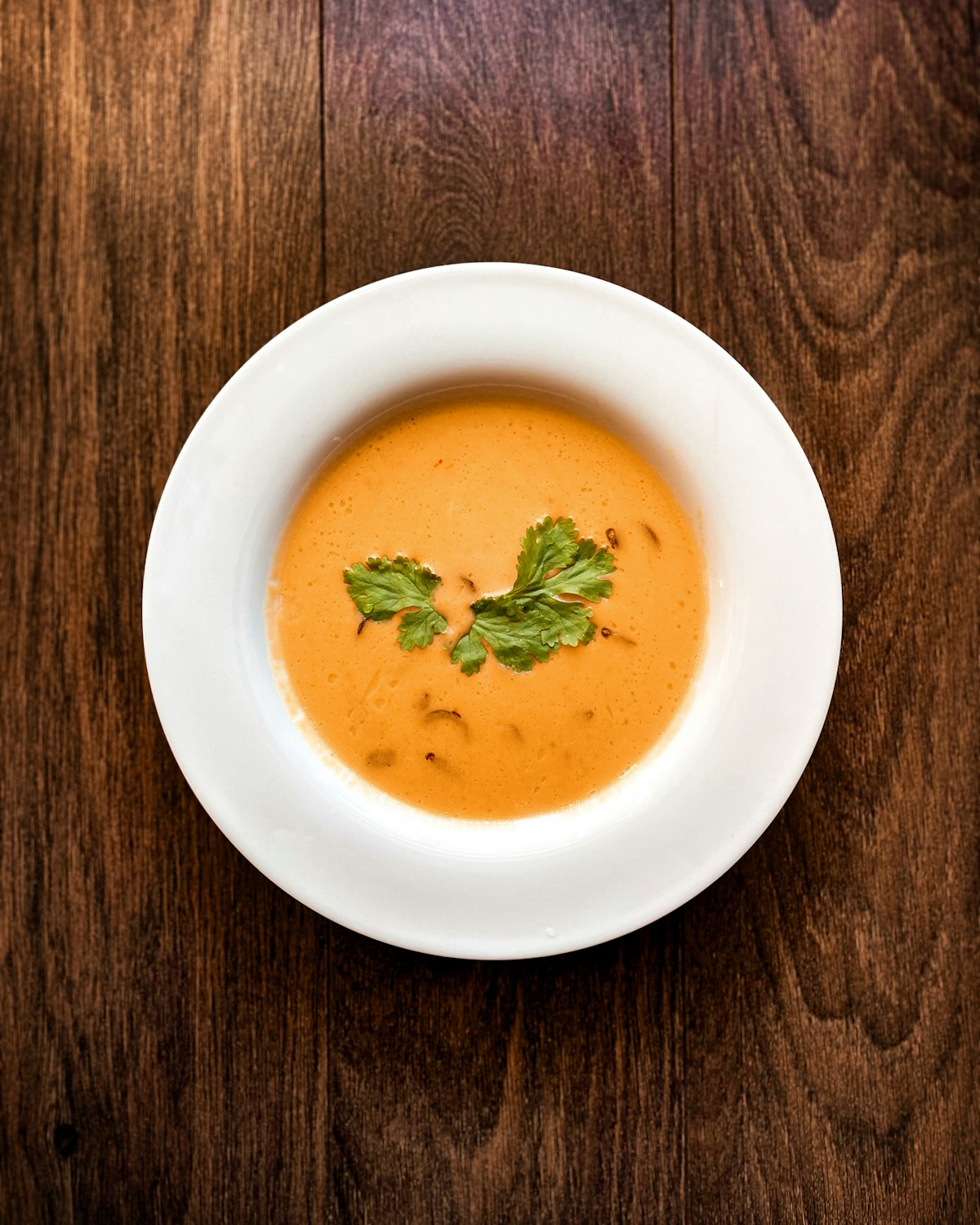
- Soup. Almost any combination of vegetables, softened, simmered in stock and blended, works. Finish with lemon and olive oil.
- Frittata. Eggs bind any cooked vegetable, cheese end and stale herb into something you can eat cold the next day.
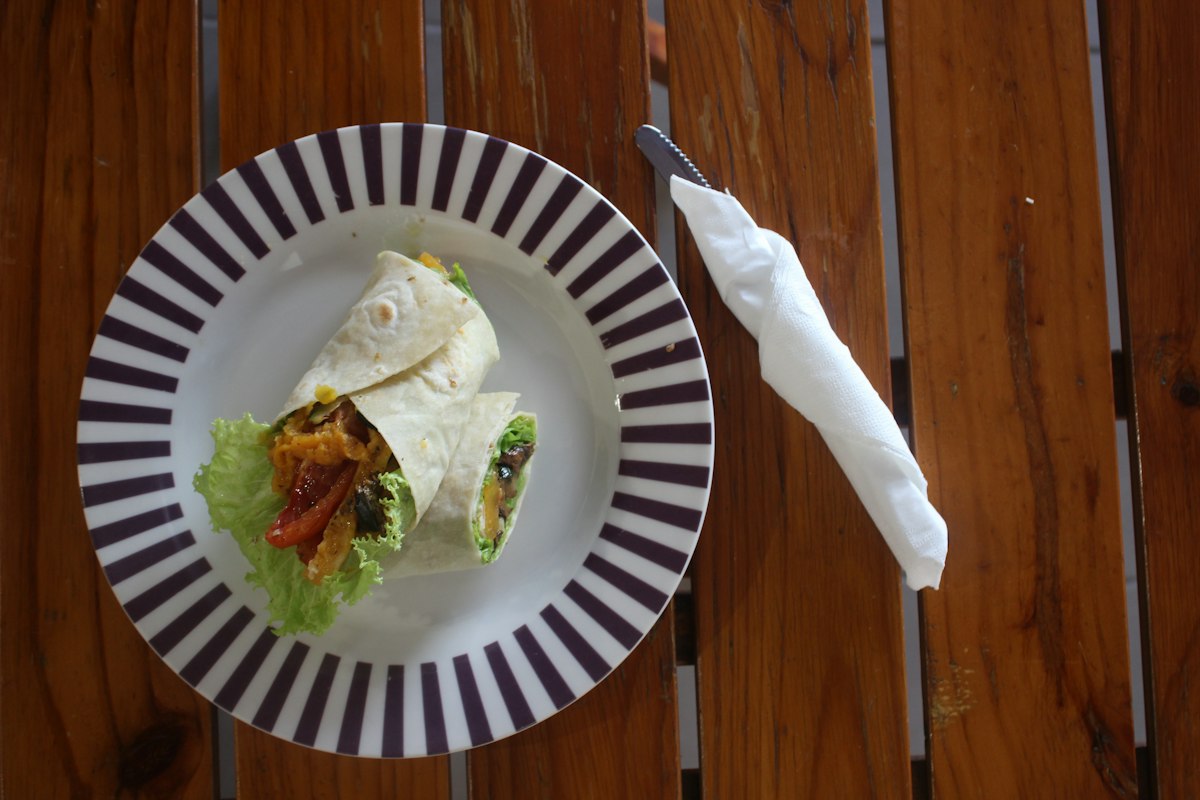
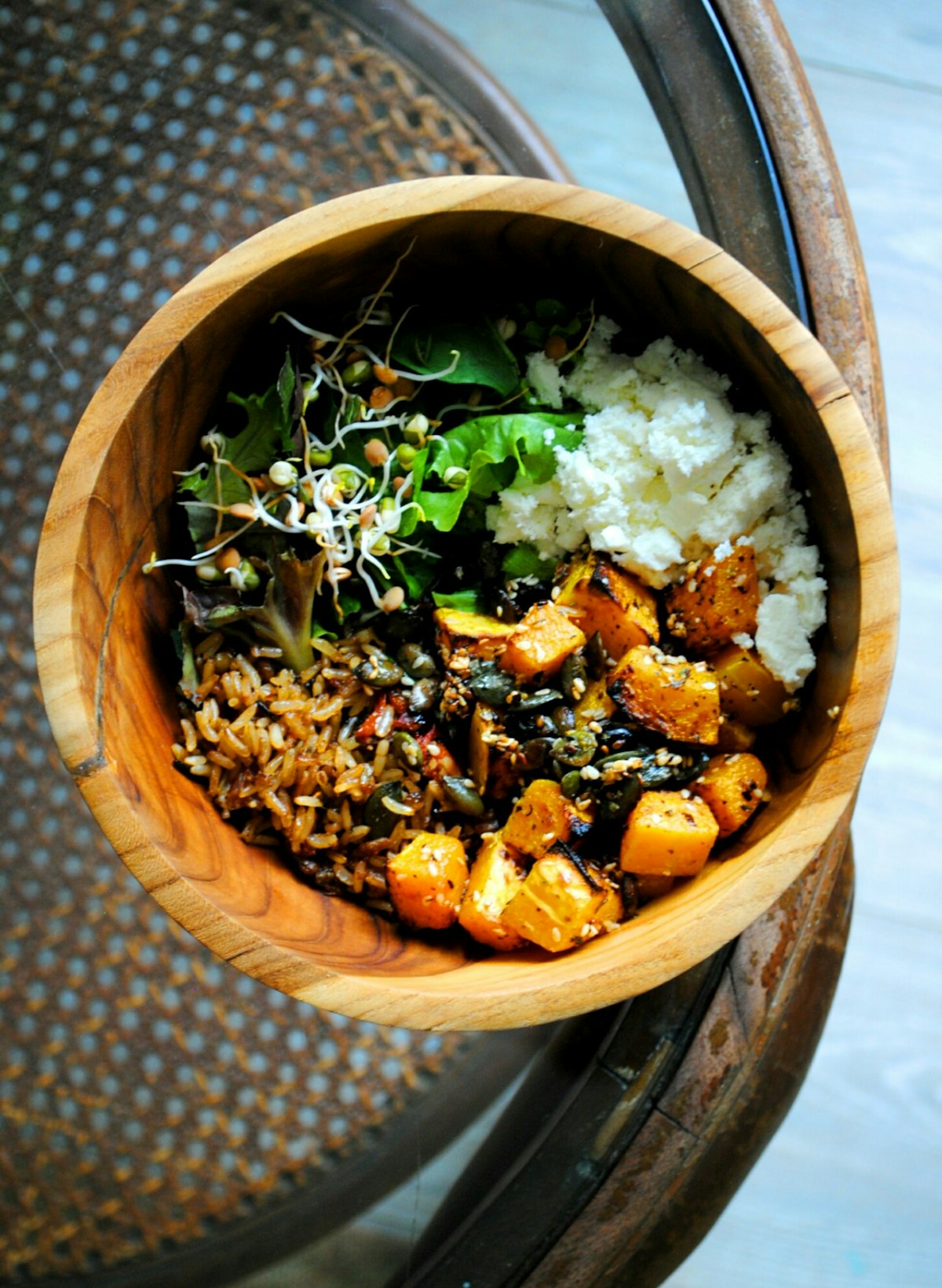
- Fried rice or grain bowls. Day-old grains plus whatever vegetables remain, hard-fried with soy, garlic and an egg.
Use the freezer as a pause button
Most people treat the freezer as long-term storage. It is more useful as a way of stopping the clock on something you will not get to in time.
- Freeze herbs chopped into ice cube trays with olive oil.
- Freeze bread sliced, so you can toast from frozen without thawing.
- Freeze citrus zest before you juice the fruit; the zest is the part people waste.
- Keep a bag for vegetable trimmings and make stock when it is full.
- Freeze leftover wine and stock in cubes for deglazing pans.
Understand the date labels
Best before is a quality indicator, not a safety one, and food is frequently fine well past it. Use by is a safety date and should be respected, particularly for meat, fish and dairy. Conflating the two causes an enormous amount of unnecessary waste.