Cooking guide · 8 min read
How to Meal Prep Without Eating the Same Thing Every Day
A component-based approach to meal prep: cook building blocks instead of finished meals, and assemble different dishes all week.
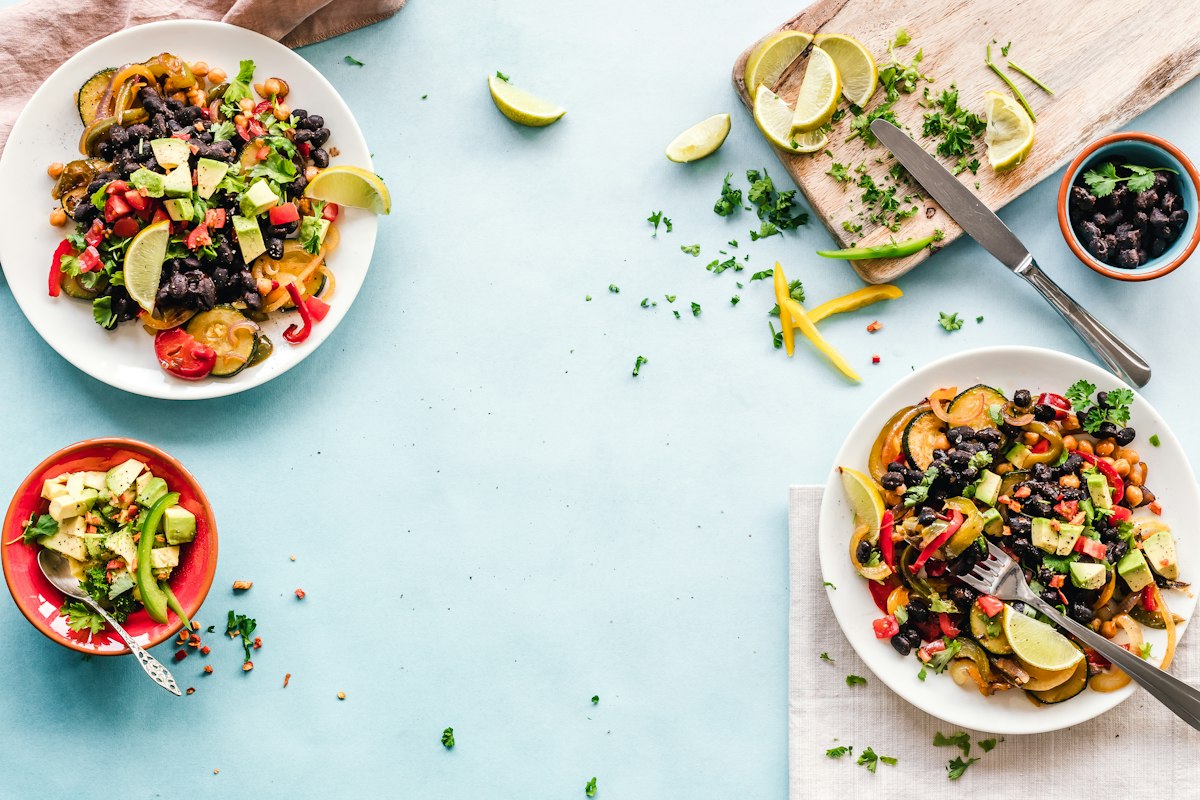
The standard advice is to cook five portions of one dish on Sunday and eat it until Friday. It works for roughly two days, at which point most people order takeaway and write off meal prep entirely. The problem is not willpower. It is that you cooked five identical meals.
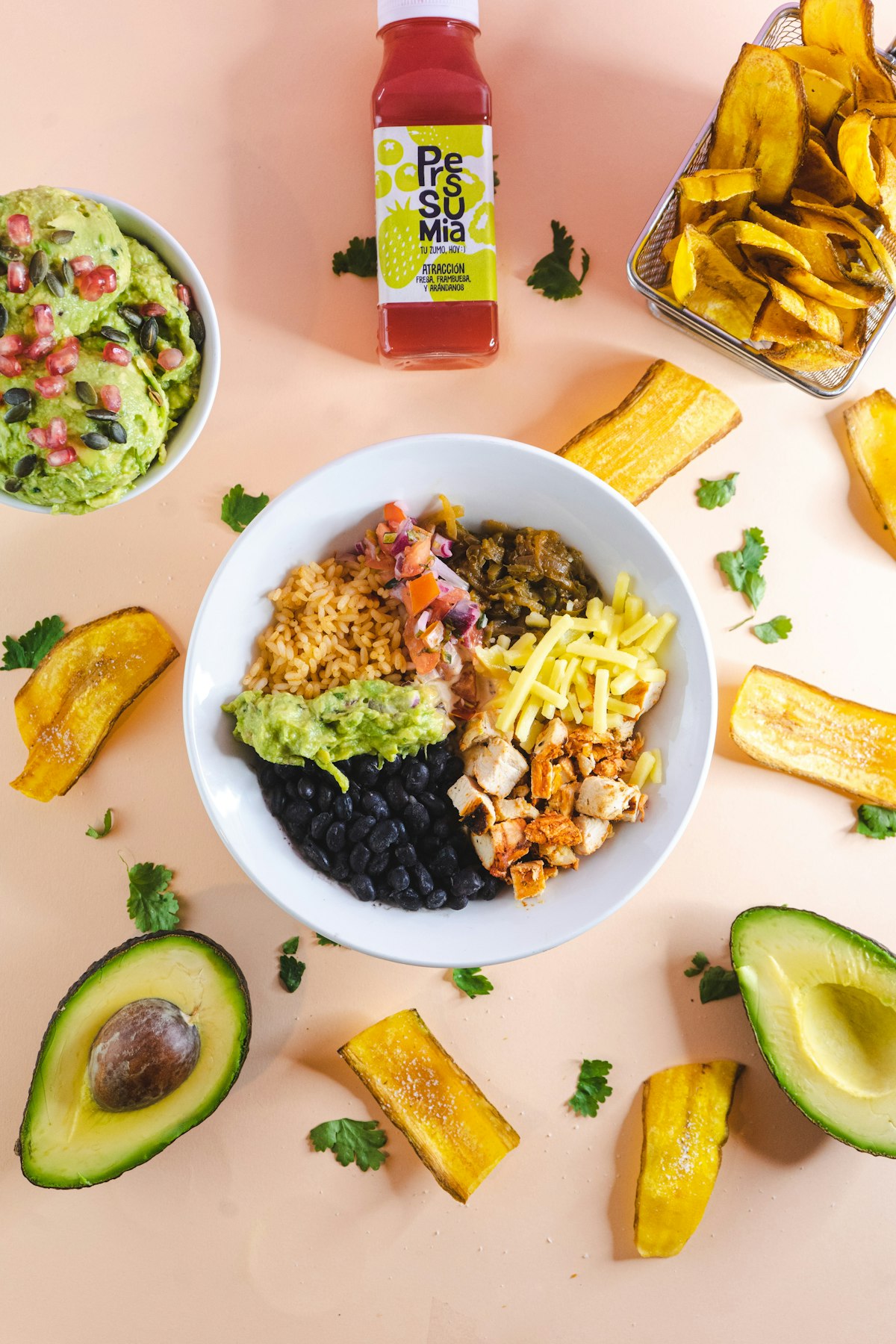
Component prep solves this by changing what you cook. Instead of finished dishes, you prepare four or five building blocks that combine in different configurations. The Sunday workload is nearly identical; the Wednesday experience is completely different.
The five components worth prepping
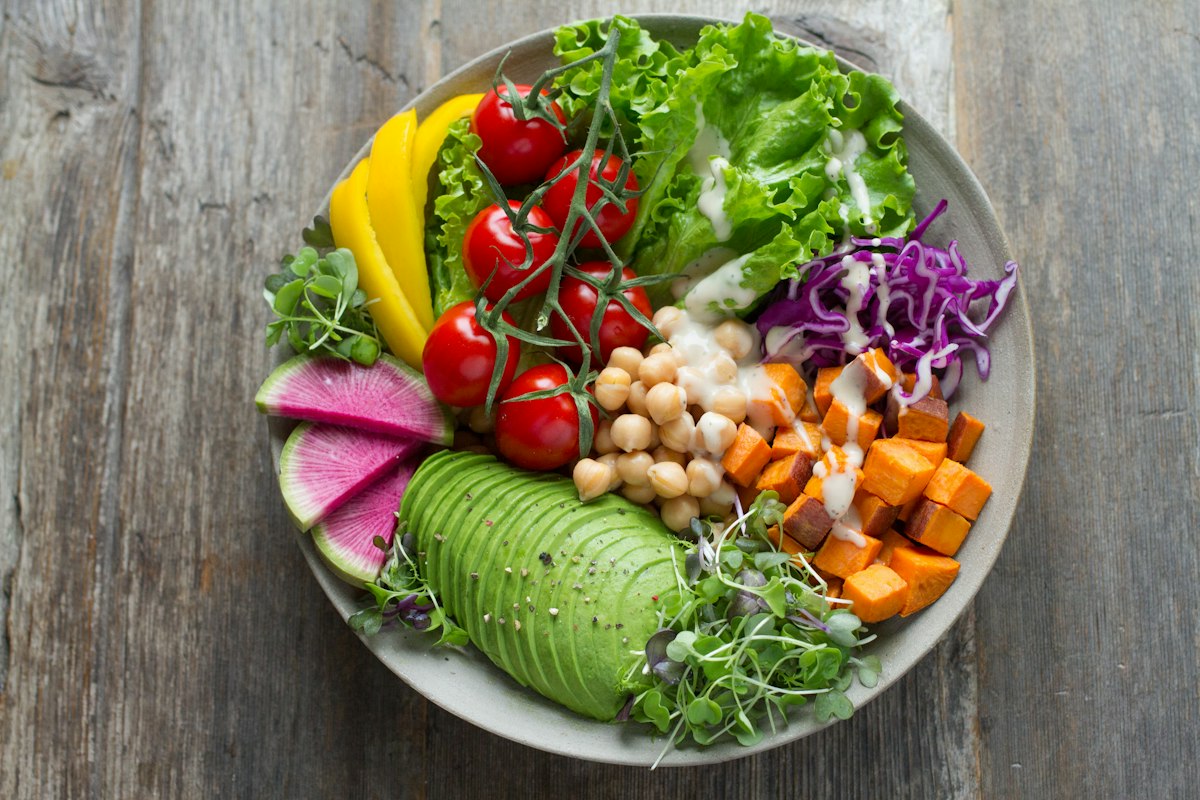
Almost every satisfying meal is the same shape: a base, a protein, something roasted, something raw and crunchy, and a sauce. Prep one of each and you have the raw material for a dozen meals.
- A grain or base. Cook a large batch of rice, quinoa, farro or couscous in stock rather than water. It keeps four days and reheats with a splash of liquid.
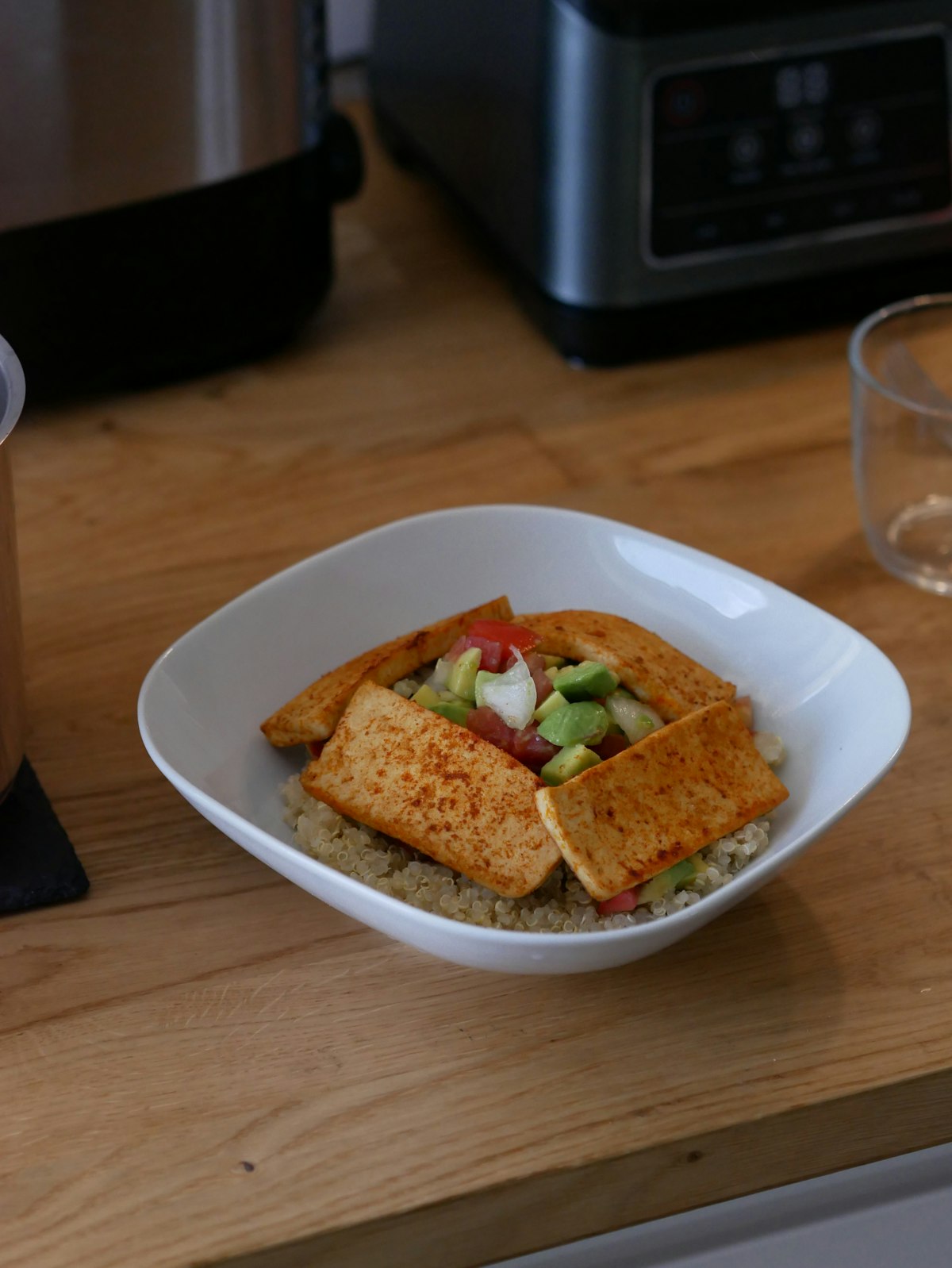
- A protein. Roast chicken thighs, bake a tray of spiced tofu, or simmer a pot of lentils. Season it moderately so it works in more than one direction.
- A roasted vegetable. Whatever is cheap that week, cut evenly, tossed in oil and salt and roasted hard at 220C until the edges char.
- Something raw. Shredded cabbage, quick pickled onions or a cucumber and herb mix. This is what stops day-four food tasting tired.
- A sauce. Lemon tahini, a mustard vinaigrette or a lime peanut sauce. This is the single highest-leverage item on the list.
Why the sauce matters more than anything else
Identical components taste like completely different meals under different sauces. The same rice, chicken and roasted vegetables become a Mediterranean bowl under lemon tahini, a Southeast Asian bowl under lime peanut sauce, and a sharp European plate under mustard vinaigrette. Make two sauces, not one, and the variety problem largely disappears.
What to store separately, and what not to
Moisture is what ruins prepped food. Anything wet stored against anything crisp will destroy it within hours. A few rules cover almost every case:
- Dressings and sauces always travel in their own container, added at the moment of eating.
- Avocado, fresh herbs and anything fried are added fresh, never stored assembled.
- Cooked grains and roasted vegetables can share a container safely.
- Salted raw vegetables like cucumber and tomato should be drained before they go in.
- Leafy greens go at the top, never the bottom, so they are not compressed under weight.
A realistic ninety-minute Sunday
Order matters more than speed. Start the oven and the grain first, because they run unattended, then use that time for everything else.
- Minutes 0-5: oven to 220C, grain on the hob in stock, both now cooking without you.
- Minutes 5-20: cut all the vegetables for roasting, spread across two trays, into the oven.
- Minutes 20-35: prepare the protein and get it cooking or into the oven alongside.
- Minutes 35-50: make two or three sauces while everything else cooks. Shake them in jars.
- Minutes 50-70: prepare the raw component and any quick pickles.
- Minutes 70-90: cool everything properly, then portion into containers. Do not seal warm food.
Cooling is a food safety step, not a formality
Sealing warm food traps steam, which softens texture and creates the conditions bacteria prefer. Spread hot components on a tray to cool quickly, get them into the fridge within two hours of cooking, and only then put lids on. Food kept between 5C and 60C for long stretches is where problems begin.
Where to start this week
Do not prep five components on the first attempt. Cook one grain and make one sauce, then build three different dinners on top of them with whatever else you buy fresh. Once that feels routine, add the roasted tray, then the protein. The habit is worth more than the completeness.