Cooking guide · 9 min read
Cooking for Beginners: The First Ten Recipes to Learn
A structured path from never having cooked to being able to feed yourself well, ordered by what each recipe teaches.
The usual advice for beginners is to start with easy recipes. That is reasonable but incomplete, because ten easy recipes can teach you nothing transferable. A better approach is to pick recipes where each one installs a technique you will use for the rest of your life.
Stage one: heat control and seasoning
- Scrambled eggs. Teaches low heat, patience and the fact that residual heat keeps cooking food after the pan leaves the hob.
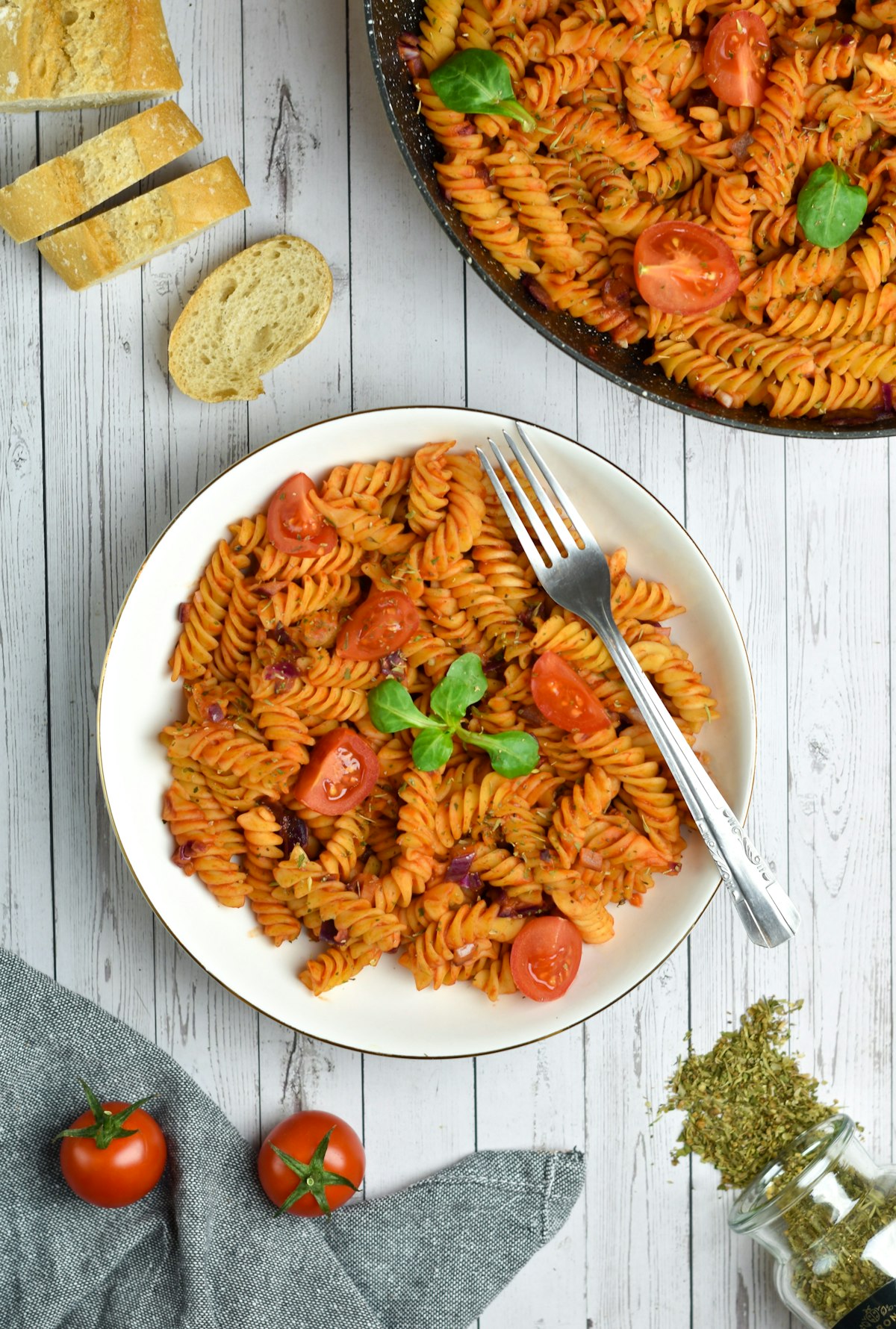
- A simple tomato pasta. Teaches building a sauce from aromatics, caramelising tomato paste, and finishing pasta in the sauce rather than the water.
- A green salad with a made-from-scratch vinaigrette. Teaches emulsification and the ratio of acid to oil that underpins every dressing.
These three cover more ground than they appear to. Once you understand that a vinaigrette is three parts oil to one part acid plus mustard to hold them together, you never need a dressing recipe again.
Stage two: browning and roasting
- A tray of roasted vegetables. Teaches high heat, giving food room, and what caramelisation actually tastes like.
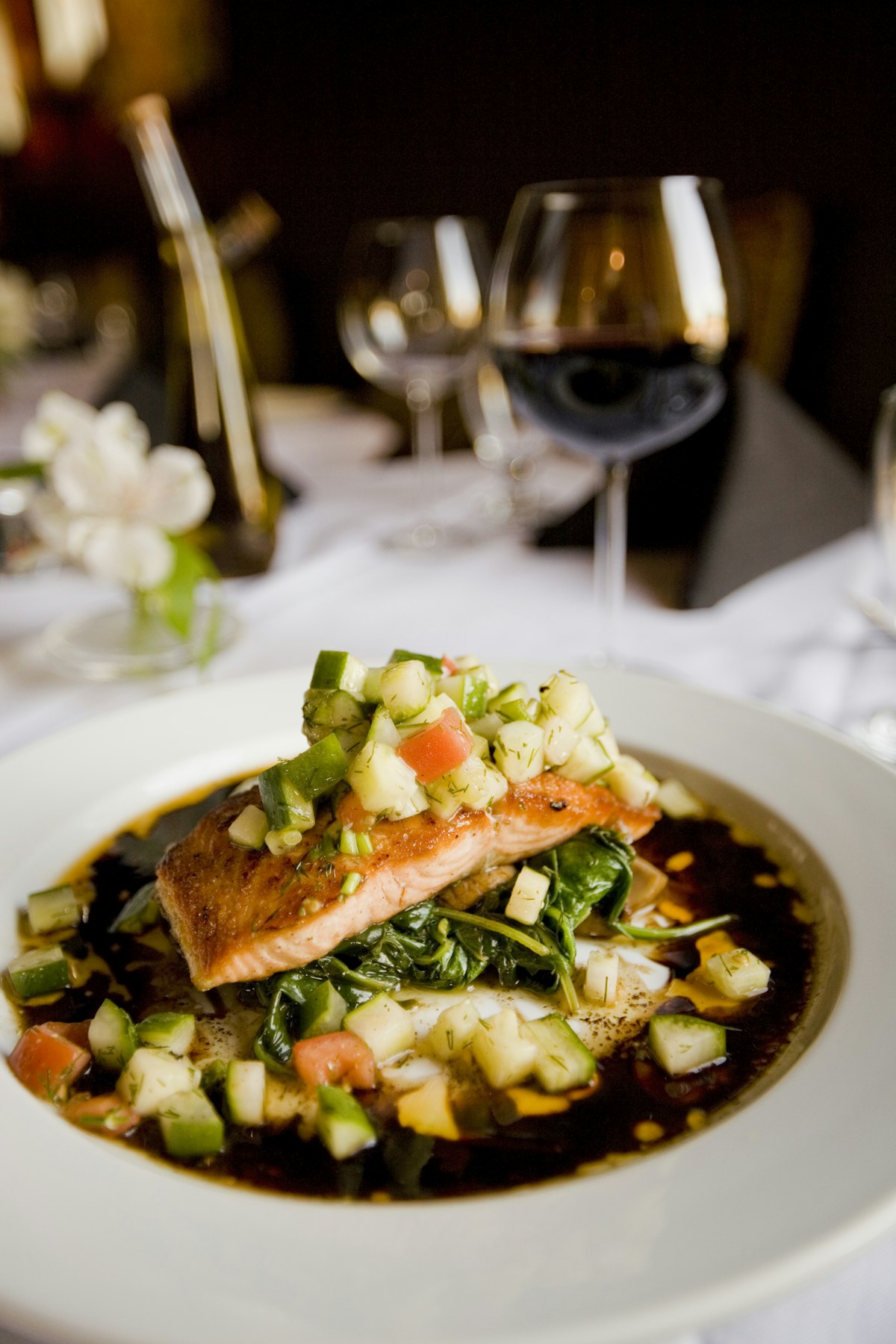
- Pan-seared chicken thighs or salmon. Teaches drying the surface, leaving protein undisturbed, and judging doneness.
- A pan sauce built in the same pan afterwards. Teaches deglazing and the fact that the stuck bits are the flavour.
Stage three: building a pot
- A lentil or vegetable soup. Teaches soffritto, layering seasoning, and finishing with acid.
- A grain bowl with a sauce. Teaches component thinking and how a sauce carries a dish.
- A stir-fry. Teaches preparation before cooking, since there is no time to chop once the pan is hot.
Stage four: one thing that is baked
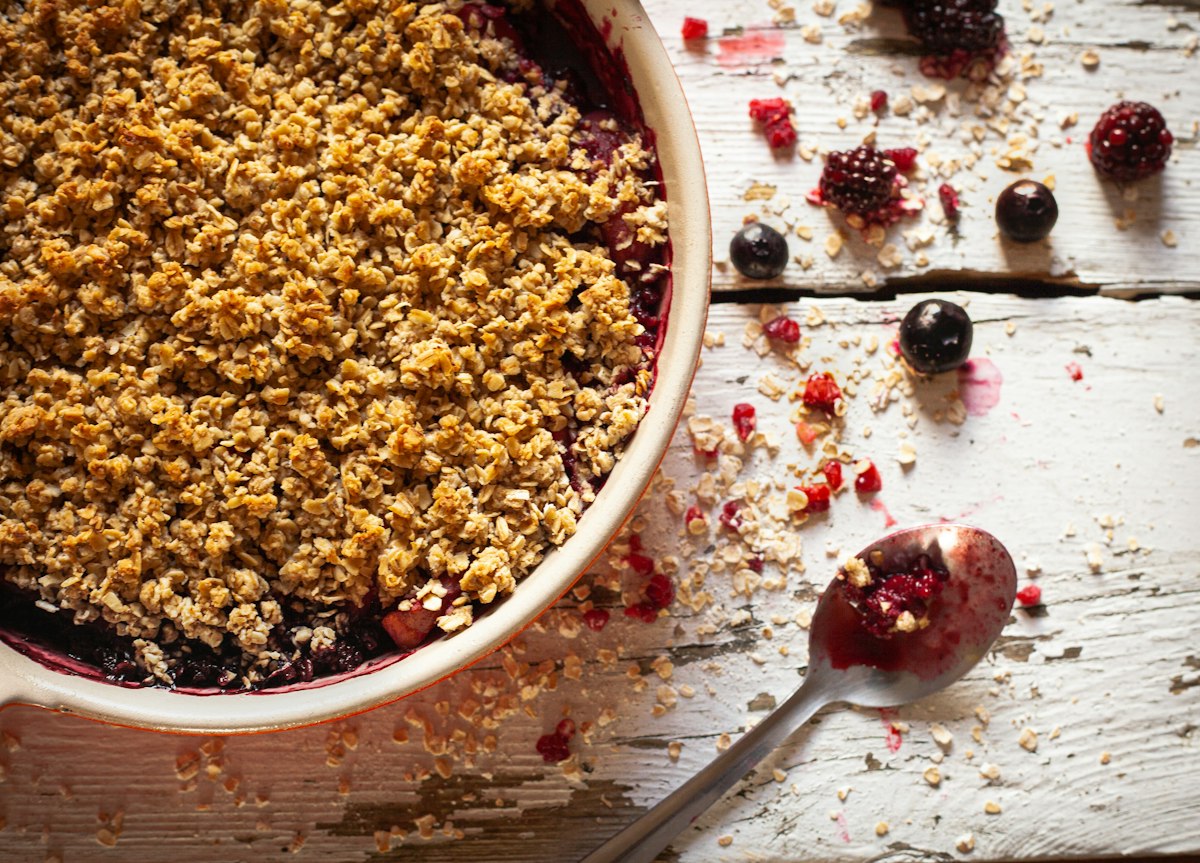
Finish with a crumble. Baking is chemistry rather than improvisation, and a crumble is the gentlest introduction: it teaches rubbing cold butter into flour, why a thickener matters with fruit, and why resting before serving is part of the recipe. It is also very forgiving of imprecision, unlike most baking.
What to buy before you start
Equipment anxiety stops more beginners than technique does. You need remarkably little:
- One 20 cm chef knife and a stable cutting board.
- One heavy skillet, ideally cast iron or stainless steel rather than a thin non-stick.
- One large pot for pasta and soup.
- One sheet pan for roasting.
- A set of measuring spoons and, ideally, a digital scale.
Read the recipe twice before starting
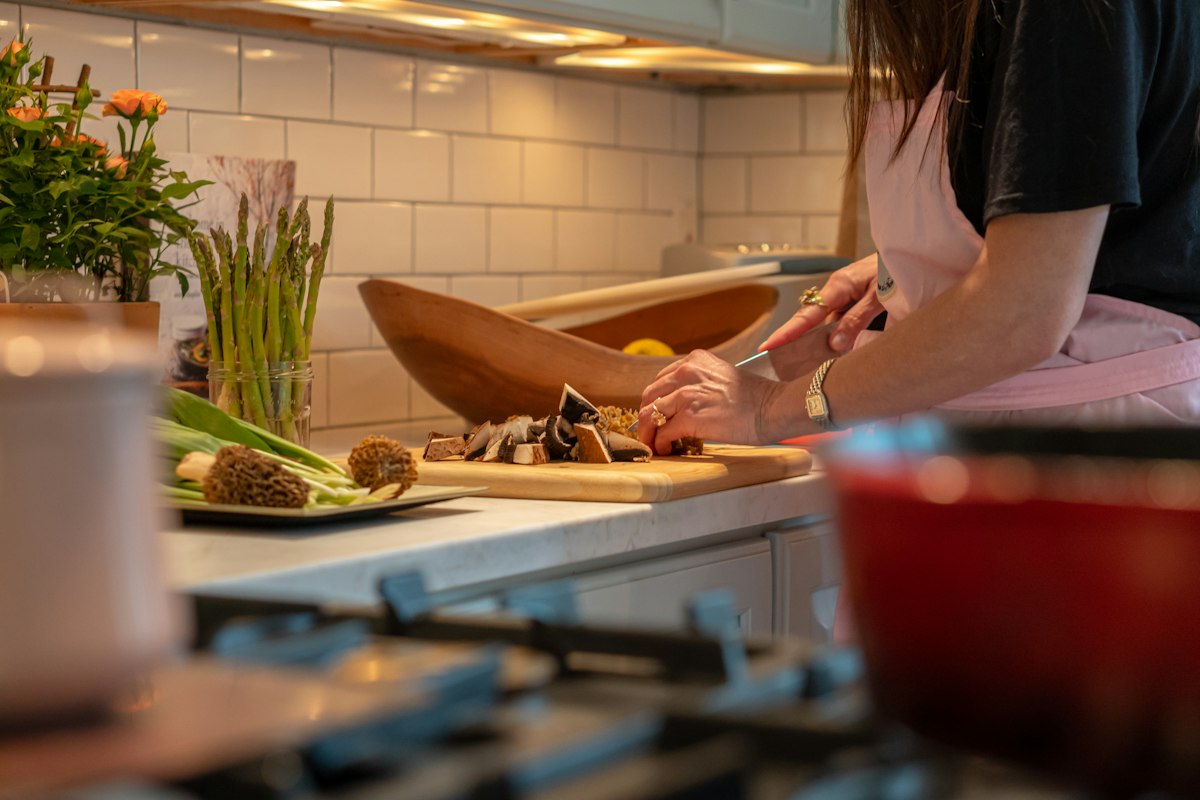
Read it once for the shape of it and once for the sequence, then get everything out and prepped before the pan goes on. Almost every beginner disaster comes from discovering a step mid-cook that needed something prepared twenty minutes earlier.
Repeat before you expand
Cook each of these four or five times rather than moving on immediately. Confidence comes from repetition, and the fourth attempt is where you stop reading the recipe and start noticing what the food is doing. That shift is the entire skill.